
Sustainable Business Practices Leading the Middle East’s Green Economy Boom
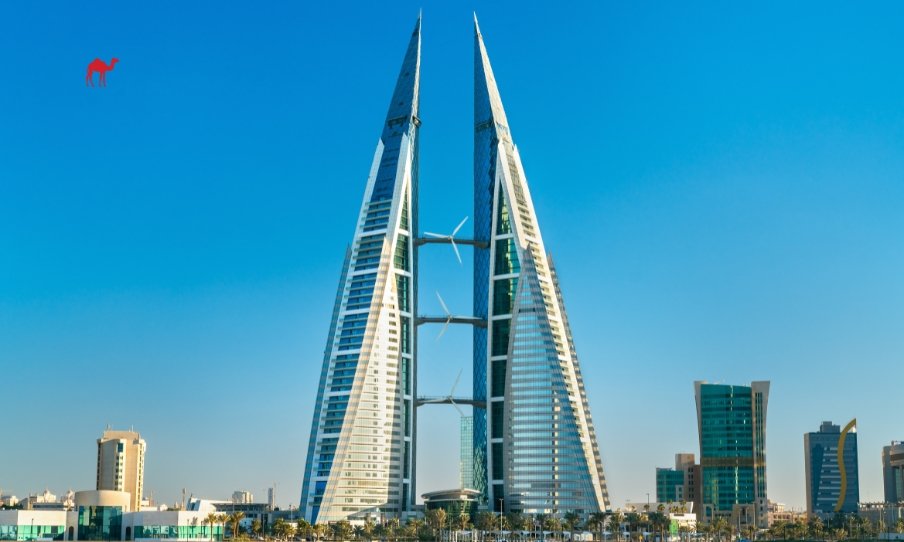
The Middle East is shifting from a resource export model to a growth model built on sustainable business practices Middle East and clean energy. Business leaders, investors, and policy makers are now placing measurable sustainability at the centre of strategy. That is producing new industries, new jobs, and a clearer path to long term economic resilience. This shift also reflects how sustainable business practices drive Middle East economic growth as policy and investment align with the rise of the Middle East green economy.
Why the region’s timing matters: climate and economic urgency
Rising temperatures and more frequent extreme weather are not future problems. The World Meteorological Organization reports that the Middle East and North Africa experienced some of the fastest warming on the planet, with heat extremes and drought already affecting infrastructure, water systems, and labour productivity. This reality is forcing businesses to rework supply chains and to invest in resilience, supporting broader climate resilience Middle East and ambitions for economic diversification Middle East.
Renewable energy and job creation: evidence the market notices
When companies shift capital to renewables, the impact is immediate and measurable. Under scenarios modelled by IRENA, the renewables sector could expand employment in the region from hundreds of thousands today to roughly two million jobs as the energy transition deepens. That is not an abstract projection. It is a workforce opportunity that influences hiring, vocational training, and local manufacturing decisions, reflecting the impact of renewable energy on job creation in the Middle East and supporting renewable energy jobs Middle East as the green energy transition Middle East accelerates.
Policy commitments that unlock private investment
Governments are no longer passive. National strategies make investment pipelines predictable and bankable. The United Arab Emirates has formally committed to Net Zero Middle East by 2050 through a coordinated strategy that bundles regulation, incentives, and public projects to crowd in private capital. Those commitments reduce policy risk for investors and make long horizon projects viable.
Saudi Arabia is pursuing a broad green agenda through the Saudi Green Initiative, which packages afforestation, renewables, and emissions reductions into domestic policy and international partnerships. Those programs are designed to create measurable environmental outcomes while also opening procurement and development opportunities for the private sector.
What sustainable business practices actually look like on the ground
Sustainable business practices Middle East are practical and varied. They include shifting procurement to low carbon suppliers, designing buildings for passive cooling and water reuse, investing in on site renewables, and creating circular economy practices for materials. Each practice reduces operating costs, improves brand credibility, and mitigates regulatory exposure. Corporations that prioritize these approaches also gain first mover advantages in procurement tenders and public private partnerships.
The investor case: returns, risk mitigation, and new markets
Major consultancies are clear sustainability is not a cost centre. It is a strategic lever for growth. Companies that integrate sustainability into product design and supply chains find faster access to export markets and lower capital costs for green projects. That combination attracts institutional capital and creates new revenue streams in areas such as green hydrogen Middle East, desalination linked to renewables, and electric mobility infrastructure. These developments fit within the expanding Middle East green economy and the growing green energy transition Middle East.
How companies should act now
Let us break it down into three tangible steps.
⦁ Align strategy with national roadmaps. Use government targets to prioritize projects that will be supported by policy and procurement.
⦁ Invest in workforce transition. Upskilling technicians for renewables and water management will make projects feasible and keep local talent onshore.
⦁ Measure outcomes. Set targets that are specific, auditable, and tied to board level incentives.
These steps do not require guesswork. They require committing budget, defining timelines, and using transparent metrics that stakeholders can see.
The payoff: resilient economies and competitive advantage
What this produces is straightforward. Countries that convert oil rents and public capital into durable green infrastructure build exportable know how. Companies that embed sustainability reduce long term costs and open new markets. The result is a green economy that is not an ideological aim but an economic strategy that increases resilience and improves lives.
The Middle East is not waiting for others to lead. Governments, investors, and companies have created a rare alignment of policy momentum, capital availability, and market demand. That alignment is already translating into projects and jobs. For firms that act with speed and clarity, the upside is not only better environmental outcomes. It is sustainable growth, new industries, and a place at the centre of the next global energy chapter supported by expanding sustainable business practices Middle East.
Read More BLog: Click Here