
Modi Visit to Oman Strengthens India Oman Relations
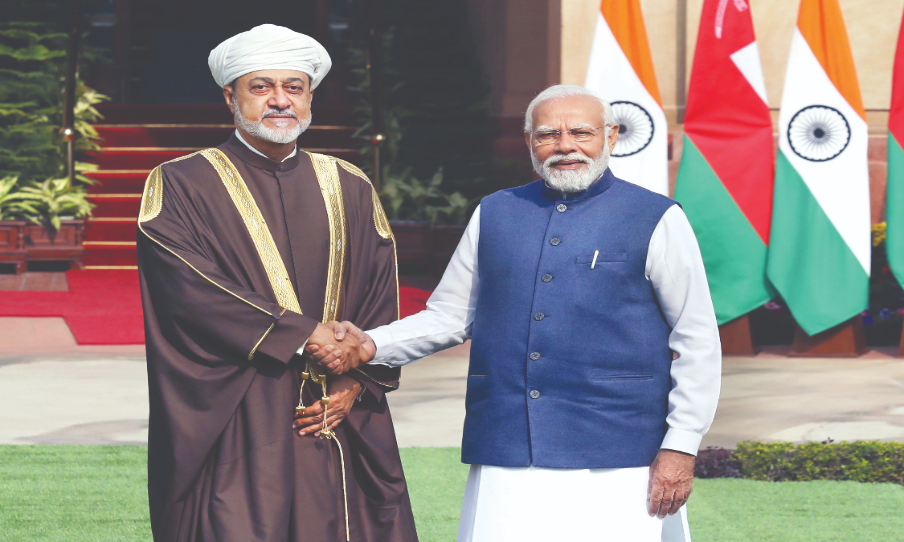
India and Oman have cooperated closely for a long time, and their relationship is historical. The recent PM Modi visit to Oman in Muscat was a milestone in India Middle East relations. It not only marked 70 years of diplomatic engagement but also opened doors for deeper strategic, economic, and friendly-relation development. The visit was Modi’s diplomatic tours third and final country stop after Jordan and Ethiopia, and it signalled Indias expanding global reach.
Here is an overview of the events and their significance for India-Oman relations and world geopolitics:
Why the Modi Visit to Oman Matters: Diplomatic, Economic, Strategic
The Modi visit to Oman for two days was significant in many ways:
- It commemorated 70 years India Oman relations and showcased the durability of cooperation. A remarkable milestone that reflected a long-term cooperation.
- Moreover, it firmly established a strategic partnership that includes defence, trade, energy, diaspora engagement, and cultural exchange.
- Besides, it witnessed the signing of a Comprehensive Economic Partnership Agreement (CEPA) that is committed to the bilateral trade reorganization.
The history of India and Oman is filled with shared events and moments, the roots of which go far back to maritime trade across the Indian Ocean. The formal diplomatic relations between the two countries were inaugurated in 1955 and have since then been flourishing through political dialogue, business, and a large Indian expatriate community in Oman.
Historic Milestone: 70 Years of India-Oman Relation
This event was combined with the attaining of the 70th anniversary of diplomatic relations. That significant moment is an extensive historical cooperation background, which even predates the current political frameworks, for both countries. Prime location of Oman at the door of the Strait of Hormuz has turned it into a vital partner in energy security, maritime logistics, and regional stability for India.
Prime Minister Modi and Sultan Haitham bin Tarik acknowledged the evolution of their collaboration over various industries. Besides business and investment, the topics of their discussion extended to energy, defense cooperation, and cultural relations.
Key Outcomes From the Visit
Comprehensive Economic Partnership Agreement (CEPA) Signing:
A significant achievement from the Modi visit to Oman was the CEPA signing by the two sides. The agreement is looking forward to:
- Grant duty-free access for over 98% of Indian exports into the Omani market.
- Also, services, investments, and professional mobility will be given a much broader market scope.
- Promote trade in various sectors such as textile, gems and jewelry, pharmaceuticals, automobiles, and traditional medicine (Ayush services).
Economists consider this agreement as a major step in extending Indias trade footprint in the Gulf region. The pact is to open the way to a flourishing economic activity, job creation, and deepening commercial ties.
Strategic Cooperation Beyond Trade
The topic of trade was not the only one on the table. During the Modi visit to Oman, the leaders conversed about ramping up cooperation in energy, defense, and maritime security:
- Energy and renewable projects, with special reference to the green hydrogen and ammonia initiatives.
- Defence and maritime security, the longest military collaboration and joint naval exercises have been the basis for this development.
- Technology, education, and workforce exchanges by which they desire to open more paths for scholars, professionals, and students.
By these talks, the strategic partnership is an all-embracing engagement that barely touches traditional diplomacy.
Cultural and People-to-People Ties
More than the agenda and money involved, the Modi visit to Oman emphasized people-to-people connections. Indias sizeable expatriate community in Oman is a major contributor to cultural relations strengthening. The dialogue covered:
- Interaction with Indian diaspora members in Muscat.
- Deliberations on youth exchanges, sports ties, and cooperation in the cultural sectors.
These dealings are important as they promote trust and mutual understanding between the people that government officials dont usually meet. They are instrumental in building a shared respect and cooperation narrative between societies.
Prestigious Recognition: Order of Oman
Prime Minister Modi was awarded The Order of Oman, the highest civilian honour in Oman, a prize that has been accorded to world leaders for exceptional contributions to bilateral relations. Modi attributed this honour to the age-old friendship between India and Oman.
This acknowledgment confirms how much Oman values its relations with India and takes note of Modis role in raising that partnership to a higher level.
What This Really Means for India and Oman
Here is the down-to-earth effect of this visit:
- Economic Gains: CEPA creates new markets for Indian products, increases exports, and Omani investments come to India.
- Strategic Stability: Strengthened regional security through enhanced defence cooperation in a geopolitically unstable environment.
- Energy Security: Cooperation in energy with long-term arrangements can support Indias energy diversification plan.
- Cultural Diplomacy: Extending socio-cultural activities builds trust between the citizens of the two countries.
This visit lays the ground for later cooperation in sectors that are of great importance both for economic growth and geopolitical stability.
What Comes Next
CEPA will necessitate putting into practice and follow-up provisions to make sure that both parties get the full benefits of the agreement.
Communities of business, industry leaders, and policymakers will have to be on the same page in terms of time frames, standards, and regulatory frameworks. The full use of the agreements advantages is contingent on the proper ground-level performance.
From a diplomatic point of view, this event is a stepping stone to other high-level engagements, joint ventures, and cooperation in emerging sectors like digital technologies, renewable energy, and education. Indias move towards other Gulf nations is part of a broader India Gulf strategy that gains momentum from this visit.
Conclusion
The Modi visit to Oman was more than a formal affair and marked a turning point in bilateral ties. Celebrating 70 years of the diplomatic history with a strategic move, it also opened the door for future collaboration of a substantive nature.
The Comprehensive Economic Partnership Agreement is the major landmark result of this work that could not only transform trade but also deepen ties. The journey was a mix of both traditional and forward-looking approaches – preserving long-standing friendship with Oman while foreseeing economic integration and strategic collaboration.
The visits outcomes, recognitions, and agreements signed are a clear indication of the relationship between India and Oman heading in the next several decades.
Read More Articles: Click Here