
Saudi Vision 2030 and the Kingdom’s Economic Transformation Goals 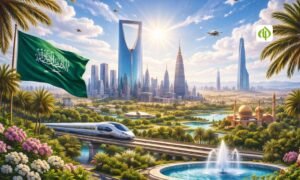
Saudi Arabia has had one of the most radical national reform programs in the recent years. The focal point of this change is the Saudi Vision 2030, which is a long-term strategic plan aimed at diversifying the economy, lessening dependence on oil revenues, and developing a dynamic society that is globally competitive. The program is not merely a blueprint of the economy but a road map that restructures the economic framework, government and its social fabric of the country.
The economic transformation objectives of the Saudi Vision 2030 seek to make the Kingdom the global investment destination and enhance innovation, entrepreneurship, and sustainable development. Saudi Arabia is striving to develop a non-oil economy through the promotion of the development of the private sector, the development of new industries, the heavy investment in infrastructure and human capital.
The Vision 2030 Strategic Foundation.
Saudi vision 2030 is built on three fundamental pillars which are a vibrant society, a prosperous economy and an ambitious country. These pillars direct a broad spectrum of reforms that affect almost all sectors of the economy of the Kingdom.
The economy of Saudi Arabia has in the past been closely linked to the production and export of oil products. This resource came with great prosperity but also caused economic weaknesses linked to the changes in the oil price in the world. The new national plan aims to create a more balanced economic model by investing in the following industries tourism, technology, renewable energy, logistics, and entertainment.
Through major initiatives and policy reforms, the government has encouraged private sector participation, improved regulatory frameworks, and opened the market to foreign investors. These actions reflect the broader Saudi Vision 2030 economic transformation goals of creating a dynamic economic environment that promotes long-term stability and innovation.
Diversification and Growth of Non-Oil Sectors
One of the most significant aspects of Saudi Vision 2030 is its focus on diversifying revenue streams. Expanding non-oil sectors has become essential for long-term economic resilience. To achieve this, the Kingdom is actively developing industries that can generate sustainable economic growth and employment opportunities.
Tourism has become a key area of focus. With the development of large-scale projects and new tourist destinations, Saudi Arabia is aiming to attract millions of international visitors each year. Cultural heritage sites, modern entertainment venues, and mega-development projects are all part of the strategy to strengthen the tourism sector.
Similarly, the logistics and transportation industries are being expanded to transform the Kingdom into a global trade hub connecting Asia, Europe, and Africa. Investments in ports, airports, and rail networks are helping build a modern infrastructure that supports international commerce.
The Saudi Vision 2030 economic transformation goals also emphasize innovation-driven industries such as technology, artificial intelligence, and renewable energy. By encouraging research, entrepreneurship, and digital transformation, Saudi Arabia is positioning itself as a competitive player in emerging global markets.
Empowering the Private Sector and Workforce
Economic transformation cannot succeed without a strong private sector and a skilled workforce. Saudi Vision 2030 places significant emphasis on empowering entrepreneurs, supporting small and medium-sized enterprises (SMEs), and increasing workforce participation.
The government has introduced regulatory reforms and financial initiatives designed to make it easier for businesses to start, expand, and innovate. These policies encourage domestic entrepreneurship while also attracting global investors seeking opportunities in the region.
Workforce development is another central element of the transformation strategy. Education reforms, vocational training programs, and digital skill initiatives are helping prepare citizens for emerging industries and new job opportunities. Increasing employment participation among youth and women has also become a major priority, contributing to a more inclusive and productive economy.
These initiatives directly support the Saudi Vision 2030 economic transformation goals by ensuring that economic growth is accompanied by human capital development and social progress.
Infrastructure, Investment, and Global Partnerships
Large-scale infrastructure investments play a critical role in the success of Saudi Vision 2030. The Kingdom has launched numerous mega-projects designed to stimulate economic activity, attract foreign investment, and modernize urban development.
Advanced smart cities, tourism zones, and industrial hubs are being developed to support future economic expansion. These projects are intended to create business ecosystems that integrate technology, sustainability, and global connectivity.
Foreign investment is another key component of the transformation strategy. By improving transparency, modernizing business regulations, and offering new investment incentives, Saudi Arabia is strengthening its position in the global economic landscape. Partnerships with international corporations and financial institutions are helping bring advanced technologies, expertise, and capital into the country.
The Saudi Vision 2030 economic transformation goals rely heavily on these collaborations, as they accelerate knowledge transfer and support the development of globally competitive industries.
A New Economic Future for the Kingdom
Saudi Vision 2030 represents more than a policy initiative; it marks a historic shift in the Kingdom’s economic identity. By focusing on diversification, innovation, and global engagement, Saudi Arabia is laying the groundwork for a resilient and forward-looking economy.
The transformation journey is still ongoing, but the progress achieved so far highlights the determination to build a sustainable economic future. Expanding industries, empowering entrepreneurs, and strengthening global partnerships are all contributing to this vision.
As the Kingdom continues to pursue the Saudi Vision 2030 economic transformation goals, it is setting an example of how strategic planning, investment, and innovation can reshape a nation’s economic trajectory. The coming years will likely reveal even greater opportunities as the country advances toward a diversified and globally integrated economy.