
The Trans Arabian Trade Route: A Corridor of Commerce and Culture 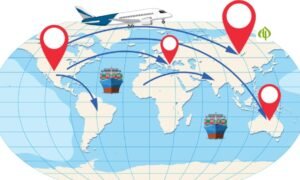
Trade routes defined civilizations over centuries in which remote regions were linked by exchanging goods, ideas and cultures. Among these historic routes was the trans arabian trade route which consisted of a chain of desert tracks connecting the Arabian Peninsula with the key markets in the Middle East, Africa and the Mediterranean world. This route was a lifeline to the merchants carrying precious commodities through the rugged terrain well before the modern shipping routes and highways were in existence.
Spices, incense, textiles, precious metals and other luxury goods were transported to and throughout the huge deserts in caravans of camels. The path was hard, though the pay was enormous. The transport of goods via this path over time not only enhanced the economic well being but also enabled the cultural exchange that affected religion, language and social practices of different regions.
Desert Trade Networks: sources and development.
The trans arabian trade route can be traced back thousands of years ago when the Arabian merchants appreciated the strategic location of the peninsula between Asia, Africa, and Europe. The tracks of the desert over time evolved with the aid of traders trying to find efficient methods of how to carry such valued items on the way to the trading centers to the north of southern Arabia.
Cities were made important pitstops along the way of the caravans, which were situated close to water sources and oases. These camps became prosperous business places where traders could sleep, renew provisions as well as transact trade. With time, these stops formed a network of related markets which maintained long distance trade.
The route’s growth was closely tied to the demand for luxury products. Aromatic resins such as frankincense and myrrh were among the most sought-after commodities in ancient religious rituals and medicine. These valuable goods were harvested primarily in southern Arabia and transported across deserts toward major trade destinations.
Goods That Traveled Across the Arabian Desert
Trade along the trans arabian trade route involved a remarkable variety of products. Spices from the Indian subcontinent, perfumes, incense, pearls, and rare textiles were transported alongside metals and precious stones. These items were prized by royal courts, religious institutions, and wealthy merchants throughout ancient civilizations.
Caravans often traveled in large groups for safety and efficiency. Camels were particularly suited for the journey because of their ability to withstand long distances without water. Skilled guides led these caravans across dunes and rocky landscapes, relying on knowledge passed down through generations.
The route was not limited to physical goods alone. Along with merchandise, traders carried stories, religious beliefs, technologies, and cultural practices. This exchange gradually shaped the societies connected by the trade network, creating a shared heritage that transcended geographic boundaries.
Economic and Cultural Influence on Regional Civilizations
The economic importance of the trans arabian trade route cannot be overstated. Cities situated along these trade corridors prospered as commercial hubs, collecting taxes and providing services to traveling merchants. Markets became places where traders from different cultures negotiated prices, exchanged knowledge, and formed long-term partnerships.
The influence of this network extended far beyond commerce. Languages blended as merchants from various regions communicated and negotiated deals. Cultural traditions traveled with traders, influencing art, architecture, and social customs in the settlements along the route.
Religious ideas also spread through these interactions. Pilgrims and scholars often traveled alongside merchants, contributing to the flow of intellectual and spiritual exchange. Over time, these interactions played a role in shaping the religious and cultural landscape of the wider Middle Eastern region.
Decline and Lasting Historical Significance
Like many ancient trade systems, the trans arabian trade route eventually experienced decline as global trade patterns evolved. The development of maritime routes allowed merchants to transport goods more quickly and in larger quantities by sea. As ships began connecting distant ports, desert caravan networks gradually lost their dominance in long-distance commerce.
Political changes and shifting economic centers also contributed to the decline of traditional caravan trade. However, the historical impact of these desert routes continues to resonate. Many of the cities that once thrived as caravan stops remain important cultural and economic centers today.
Historians view the trans arabian trade route as more than just a commercial pathway. It represents a period when human resilience and ingenuity overcame environmental challenges to build connections across vast and unforgiving landscapes. The route demonstrated how trade can unite distant societies and foster cooperation even in the most difficult conditions.
Legacy of a Historic Trade Network
The legacy of the trans arabian trade route lies in the enduring connections it created between regions and civilizations. Through centuries of caravan journeys, the route became a channel for economic growth, cultural exchange, and technological diffusion. Its story illustrates how trade networks can influence the development of societies far beyond the movement of goods.
Today, historians and archaeologists continue to study the remains of ancient caravan stations, inscriptions, and artifacts found along these desert pathways. These discoveries help reconstruct the lives of the merchants, travellers, and communities that once depended on this remarkable network.
Although modern transportation has replaced camel caravans, the historical significance of this route remains deeply embedded in the cultural memory of the region. The influence of the trans arabian trade route reminds us that long before globalization became a modern concept, ancient traders were already building bridges between civilizations through commerce and shared human experience.