
Creating Spaces that Define Lifestyle and Experience
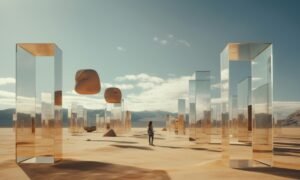
Building Beyond Structures
The field of real estate now extends beyond its previous definition, which measured properties according to their building area. The current goal requires developers to create spaces that determine their future use as people work and engage with each other.
Developers have started to develop spaces that provide users with interactive experiences that promote social interaction while meeting their modern needs. The current transformation shows that people today need three main things, which include quick access to things they want, strong social ties, and spaces where they can feel at home.
The field of real estate has evolved into an experiential space that brings together design elements with technological components and human behavior patterns.
From Physical Structures to Living Ecosystems
Traditional development focused on delivering functional spaces—homes, offices, and commercial units designed primarily for utility. Modern developments, however, are conceived as integrated ecosystems.
The ecosystems combine residential and commercial spaces with recreational areas to create environments that can sustain themselves without outside resources.
The design allows residents to live work and socialize in one space which decreases their need to travel outside and brings them more convenience. The shift makes buildings into active spaces that help people conduct their daily activities.
Designing for Lifestyle, Not Just Space
Today’s developers show growing interest in designing products that match user needs throughout their daily lives. Designers need to study human behavior with their surroundings for this purpose. Designers need to study human behavior with their surroundings for this purpose. The residential and commercial spaces of today now include essential spaces that serve as shared workspaces, fitness facilities, relaxation areas, and communal gathering zones.
The design elements of this space work to help people achieve their work goals while they take breaks and build connections with others. The value of real estate properties increases when designers create spaces that enhance users’ physical and mental experiences.
The Role of Technology in Experience Design
The current day requires technology to determine all aspects of human existence. The occupants of a building can interact with their environment through smart home systems, digital access controls, and integrated service platforms.
Residents use mobile applications to control services and reserve amenities and connect with property management.
The implementation of automated systems provides systems with increased operational performance and improved user experience. Technology transforms real estate into responsive environments that adapt to user needs.
Community as a Core Element
The current day requires technology to determine all aspects of human existence. The occupants of a building can interact with their environment through smart home systems, digital access controls, and integrated service platforms.
Residents use mobile applications to control services and reserve amenities and connect with property management.
The implementation of automated systems provides systems with increased operational performance and improved user experience. Technology transforms real estate into responsive environments that adapt to user needs.
Wellness-Oriented Environments
Real estate development now considers wellness as its main focus. The design of contemporary spaces includes elements like natural light, ventilation systems, green areas, and wellness centers to promote both physical and mental health.
People achieve better health outcomes because they have access to nature, fitness facilities, and peaceful environments.
Developers now make wellness their main design element when they create new projects. The daily life of people has brought about increased recognition of well-being as an essential value.
Flexibility and Adaptive Spaces
As lifestyles evolve, so do the requirements for living and working spaces. Flexibility has become a key design principle in modern real estate.
Spaces are being designed to accommodate multiple functions, such as remote work, social interaction, and relaxation. Modular layouts and adaptable interiors allow occupants to customize their environments.
Flexible design ensures that spaces remain relevant over time.
The Future of Experience-Centric Development
The integration of digital tools, sustainable practices, and community-centered design will become a standard practice for developers. The development of real estate facilities will transform through building designs that provide both functional space and transformative experiences for users.
Conclusion
Current modern real estate development creates new ways for people to experience their surroundings through its design and technological systems, community development, and environmental protection methods.
The developers who adopt this method create more than just buildings because their work influences how people will experience their daily lives, social interactions, and personal development.
The real estate market now determines its worth through its power to provide people with experiences that improve their daily existence.