
How Modern Arab Leaders Are Balancing Tradition With Global Economic Ambitions 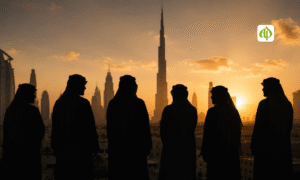
Change sweeps across the Middle East, not just in politics but in how money moves. Oil once defined the region’s role – now it’s only one piece of a larger puzzle. Led by determined figures, countries pivot fast from old models to bold new paths. These shifts ripple outward, touching trade far beyond borders. Power sits less in crude reserves, more in choices made in boardrooms and capitals today. What happens here influences markets, talks between nations, even how tech evolves worldwide.
Navigating Shifts in Global Power Dynamics
Lately, shifting global power patterns have pushed nations to stay flexible in their strategies. Stability across regions keeps getting challenged, so coordinated diplomacy becomes essential for lasting safety. Because tensions flare up beyond borders or conflicts spike without warning, choices made by Arab leaders become key to balance. Out of urgent meetings – including gatherings organized by the Arab League – joint efforts emerge to reject outside meddling, calm heated zones, and secure vital sea lanes such as the Strait of Hormuz.
Nowadays, leaders across the Gulf and North Africa are stepping away from depending only on long-standing Western ties. Instead of sticking to old patterns, they’re building deeper links with rising economies such as India and China. At the same time, conversations with Europe continue without pause. These moves aren’t sudden shifts but part of a steady repositioning. With quiet consistency, they position themselves where discussions matter most. Not waiting for invitations, they help shape how talks unfold across continents. The region now speaks more often from its own initiative. Far from fading into the background, it actively hosts and guides key global exchanges. Through deliberate steps, influence spreads beyond past limits.
Driving Economic Diversification and the Post-Oil Era
For decades, the standard economic model across the Arabian Gulf was deeply rooted in fossil fuels. However, the current generation of Arab leaders recognizes that long-term sustainability requires breaking free from the volatile cycles of the oil market. Ambitious long-term roadmaps, such as Saudi Arabia’s Vision 2030 and similar blueprints in the United Arab Emirates and Qatar, are actively turning these visions into reality. These frameworks have funneled hundreds of billions of dollars from sovereign wealth funds into entirely new sectors, effectively laying the groundwork for a robust, non-oil GDP.
This massive economic pivot is visible in the rapid development of world-class infrastructure, tourism, and manufacturing hubs. Cities like Riyadh and Dubai have transformed into global financial capitals, attracting international corporations, venture capitalists, and foreign direct investment. Furthermore, by heavily prioritizing the growth of local industries, these decision-makers are creating sustainable employment opportunities for a highly educated population, ensuring that their domestic economies remain resilient against future shifts in global energy demands.
Embracing Technological Innovation and Artificial Intelligence
A defining characteristic of this new governance style is an aggressive, forward-looking commitment to cutting-edge technology. Understanding that the future belongs to digital infrastructure, many Arab leaders are investing heavily in artificial intelligence, cloud computing, and green technologies. The region is no longer just a consumer of global technology; it is rapidly becoming a creator. This is clear from the rise of specialized research institutions, tech incubators, and smart city projects like NEOM, which serve as living laboratories for sustainable urban living and automation.
Beyond the implementation of AI in public administration and healthcare, there is a strong focus on building a sustainable green economy. Massive investments are being directed into renewable energy projects, including some of the world’s largest solar fields and pioneering green hydrogen facilities. By positioning their nations as leaders in climate innovation, these regional policymakers are demonstrating that traditional energy powers can effectively lead the global transition toward environmental sustainability.
Empowering the Next Generation of Youth
The Middle East possesses one of the youngest demographic profiles in the world, with a significant percentage of the population under the age of thirty. Recognizing this immense potential, forward-thinking Arab leaders are focusing heavily on educational reform and youth empowerment initiatives. Educational institutions across the region are systematically updating their curricula to place a greater emphasis on science, technology, engineering, and mathematics, alongside fostering robust entrepreneurial mindsets.
Governments are actively creating platforms, such as youth leadership forums and specialized startup funds, to give young entrepreneurs the resources they need to thrive. By championing inclusivity and supporting women in leadership roles across both the public and private sectors, these structural changes are unlocking unprecedented human capital. The emphasis is clear: the long-term success of the region relies heavily on the ability of Arab leaders to cultivate a highly skilled, innovative generation capable of competing on the global stage.
Charting the Path Forward
The contemporary Middle East is a dynamic study in balancing tradition with rapid modernization. As they navigate intricate regional security challenges and guide their nations through sweeping economic transformations, the influence of Arab leaders extends far beyond geographical borders. Through proactive diplomacy, strategic economic diversification, a deep embrace of technological innovation, and a profound investment in human capital, they are effectively building resilient societies. The choices made by these policymakers today will undoubtedly echo across the global economy for decades to come, proving that vision and adaptability are the ultimate drivers of sustainable progress.