
Dubai Chocolates: The Story Behind the Viral Treat
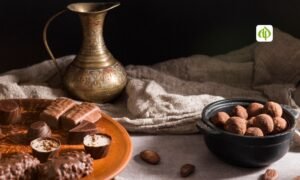
One bite can reveal three textures at once: a crisp chocolate shell, creamy pistachio filling, and golden strands of pastry. That unusual combination turned Dubai Chocolates from a local creation into a worldwide food trend.
Today, the name usually refers to thick chocolate bars filled with pistachio cream and crispy kataifi pastry, often combined with tahini. The original concept came from FIX Dessert Chocolatier in Dubai, where founder Sarah Hamouda developed the signature “Can’t Get Knafeh of It” bar in 2021. Its later explosion on social media helped turn a niche dessert into a global phenomenon.
What Makes Dubai Chocolates Different From Regular Chocolate?
The biggest difference is what happens after the chocolate shell breaks.
A typical filled chocolate bar may contain caramel, nougat, nuts, or a smooth cream. Dubai Chocolates became recognisable for combining a thick chocolate exterior with a filling built around pistachio cream and toasted kataifi, the thin shredded pastry traditionally associated with Middle Eastern desserts such as knafeh.
That creates a very different bite. The chocolate gives the initial snap, the pistachio filling brings a rich and nutty centre, and the toasted pastry adds a crunch that remains noticeable instead of disappearing into the filling.
Tahini can add another layer, bringing a slightly bitter, sesame-based flavour that balances the sweetness of the chocolate and pistachio. This contrast is one reason the bar feels closer to a complete dessert than an ordinary chocolate snack.
How Did Dubai Chocolates Become So Popular?
The story did not begin with a global candy company or a huge advertising campaign.
FIX Dessert Chocolatier was founded in Dubai in 2021, and the original bar was developed around the flavours of knafeh. Hamouda’s idea was connected to a pregnancy craving for the Middle Eastern dessert, which she wanted to experience in a chocolate format. The result eventually became “Can’t Get Knafeh of It.”
For a period, the product remained a limited local creation. Its turning point came through social media, where videos showing the thick bar being broken open revealed the bright green filling and crispy pastry inside.
That visual mattered. A photograph could show the ingredients, but a video could show the chocolate cracking, the pistachio filling stretching, and the pastry breaking apart. The product was almost designed for the short-form video era, even though it was not originally created as a social media stunt.
CNN reported in 2025 that one viral TikTok video featuring the chocolate had passed 56 million views, illustrating how quickly the trend moved beyond Dubai.
Tahini: Sesame paste adds depth and a mild bitterness that can prevent the filling from tasting overwhelmingly sweet.
The combination also explains why the inside looks so dramatic when the bar is broken. Instead of revealing a single smooth centre, it exposes contrasting colours and textures.
Why Is Pistachio So Important to Dubai Chocolates?
Pistachio is not simply a fashionable flavour added to make the bar look green.
Pistachios have a long history in Middle Eastern sweets, and their rich, slightly earthy taste works naturally with pastry and chocolate. In this particular combination, pistachio provides the main flavour of the filling while kataifi contributes texture.
The viral trend also had an unexpected effect on the wider pistachio market. CNN reported in April 2025 that British food distributor C G Hacking & Sons had seen pistachio prices rise sharply, from $7.60 to $10 per pound, amid growing demand associated with the trend.
That does not mean the chocolate trend alone caused global pistachio price movements, but it shows how a social-media food craze can create demand far beyond the original product.
Is Dubai Chocolate Actually From Dubai?
The original version is.
FIX Dessert Chocolatier created the signature bar in Dubai, and the brand describes its product as originating there. However, the phrase “Dubai chocolate” has gradually become broader.
As the trend spread internationally, bakeries, supermarkets, cafés, and chocolate makers began producing their own versions. Some use pistachio and kataifi, while others add ingredients such as hazelnut spread, cookie pieces, caramel, or different types of chocolate.
This means not every product marketed as Dubai chocolate comes from Dubai or follows the original recipe.
The distinction matters because “Dubai chocolate” is now used both for the original product associated with FIX and for a wider style of pistachio-filled chocolate inspired by it.
How Did Dubai Chocolate Influence Other Desserts?
The trend quickly moved beyond chocolate bars.
Food businesses began using the same pistachio-and-kataifi combination in cheesecakes, croissants, milkshakes, ice cream, cookies, cakes, and other desserts. In Asia, the flavour even appeared in mooncakes and other seasonal products.
CNN reported in September 2025 that businesses in Hong Kong, Singapore, and Malaysia were incorporating Dubai chocolate-inspired flavours into mooncakes and other desserts. The trend gave established products a new flavour profile while attracting younger consumers interested in viral foods.
That shift is important because it shows how food trends now travel. A single product can inspire an entire category of recipes rather than simply increasing sales of the original item.
Why Do People Still Talk About Dubai Chocolates?
The lasting appeal comes from more than a viral video.
The product combines familiar ingredients in an unfamiliar format. Pistachio, chocolate, and Middle Eastern pastry already have strong identities on their own, but placing them together inside a thick chocolate shell created something visually distinctive and easy to share online.
The trend also arrived at a time when food content was increasingly driven by videos that emphasise texture, sound, and dramatic reveals. Breaking open the bar became part of the experience, making the product as entertaining to watch as it was to eat.
That combination helped Dubai Chocolates move from a specific creation in Dubai to a broader international food trend.
Frequently Asked Questions
- What are Dubai Chocolates made of?
The classic version combines a chocolate shell with pistachio cream, toasted kataifi pastry, and often tahini. The exact ingredients vary between brands and recipes.
- Who created the original Dubai chocolate?
The original bar is associated with FIX Dessert Chocolatier in Dubai and founder Sarah Hamouda. The signature product is called “Can’t Get Knafeh of It.”
- Why is the filling green?
The green colour mainly comes from the pistachio-based filling. The intensity can vary depending on the pistachios and recipe used.
- Is kataifi the same as regular pastry?
No. Kataifi consists of very fine shredded pastry strands rather than flat sheets. When toasted, those strands provide the distinctive crunch associated with the chocolate filling.
Conclusion
Dubai Chocolates became much more than another viral sweet because the product offered something easy to recognise and difficult to forget: a thick chocolate shell hiding a colourful, creamy, and crunchy centre.
Its story began in Dubai with a dessert-inspired idea, but social media changed its scale completely. The combination of pistachio, kataifi, tahini, and chocolate became a template that other food businesses could reinterpret in their own products.
The trend also shows how quickly a local food creation can cross borders today. What started as a limited chocolate bar eventually inspired an entire wave of desserts, flavours, and copycat products around the world.