
What Are the Biggest Food and Beverage Trends Forming Hospitality in 2026?
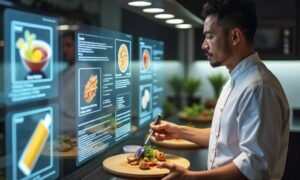
The Future of Dining!
Ask a hotel guest what they remember about a stay, and the answer might be a breakfast they looked forward to every morning, a dessert they had never tried before, or a drink recommended by the bartender. Food and beverage experiences can leave that kind of impression. They can also disappoint, particularly when the price is high and the meal fails to live up to expectations.
Hospitality businesses are navigating both possibilities in 2026. Customers want something interesting on the menu, but they are also watching their spending. Chefs have more ingredients, techniques and culinary influences to explore, while hotel operators must consider food costs, waste and the practical demands of running a kitchen.
The trends taking shape this year reflect these competing priorities. Some concern what people want to eat; others are changing how restaurants serve them.
Familiar Food, With Something New to Offer
There is a reason burgers, noodles, curries and other familiar dishes continue to appear in new forms. Customers do not always want to take a risk when dining out, particularly when they are paying more for the experience.
The National Restaurant Association’s 2026 culinary forecast places comfort food, global flavours and value among the major influences on restaurant menus. Its examples include Caribbean-inspired curry bowls, smashed burgers with creative toppings and upgraded instant noodles. The forecast draws on input from nearly 300 chefs and foodservice professionals.
For a hotel restaurant, the idea need not involve an elaborate new concept. A familiar regional dish prepared with greater attention to ingredients, or a classic dessert with a different flavour combination, can give guests something worth remembering.
The trick is knowing when to stop. Too many additions can make a dish expensive to prepare without making it any better to eat.
Local Food Has More to Offer Than a Place on the Menu
A hotel can serve international cuisine throughout the day, but visitors may still want to taste something associated with the destination they have travelled to.
This creates an opportunity for chefs to revisit regional recipes and ingredients. Rather than presenting local food as a separate category for adventurous guests, hotels can work it into breakfast, room service and their main restaurant menus.
That could mean using seasonal produce from nearby suppliers, introducing traditional spice combinations or giving a familiar local preparation a place in a contemporary dining concept. The approach will differ by destination, supplier availability and the kind of guests a property attracts.
Local sourcing has its complications. A nearby producer may not be able to supply the quantity or consistency a large hotel requires, and seasonal ingredients cannot always be available throughout the year. Nevertheless, where the supply works, the kitchen gains a useful way to distinguish its food from menus that look much the same everywhere.
The Drink May Be the Main Attraction
A growing beverage selection gives hospitality businesses another way to bring customers through the door. Specialty coffee, iced teas, distinctive lemonades, craft sodas and alcohol-free cocktails all offer possibilities beyond the usual selection of soft drinks.
The National Restaurant Association’s August 2026 beverage report highlights beverage-only visits, particularly among younger consumers, as an opportunity for restaurants. It also reports that 83% of surveyed delivery customers would order beverages more often if they were packaged better. These findings come from the US restaurant market, but they offer useful questions for hotel cafés and foodservice operators in other regions.
Consider a hotel lounge during the afternoon. A carefully prepared iced coffee or a well-made non-alcoholic cocktail can give a guest a reason to visit even when they do not want a full meal. For the business, that creates an additional occasion to serve customers.
The product itself still has to deliver. A drink that looks attractive in a photograph will not build repeat business if it tastes unbalanced or arrives diluted after delivery.
Healthier Choices Without Turning Dining into a Lecture
Customers have different ideas about what they want from a meal. Some look for protein-rich dishes, others prefer plant-based options, and many simply want fresh ingredients and a clear description of what they are ordering.
The challenge for hospitality businesses is accommodating those preferences without making menus difficult to navigate. A breakfast buffet can offer fruit, eggs, whole grains and plant-based alternatives alongside established favourites. A restaurant can add a vegetable-based main course without removing the dishes its regular customers enjoy.
Clear allergen information and accurate ingredient descriptions are just as important as the choice itself. Guests with dietary restrictions need reliable information, not vague assurances.
There is little value in adding a dish because it fits a wellness trend if the kitchen cannot prepare it consistently or customers do not enjoy it. Good food remains the starting point.
Value is Changing the Way Restaurants Plan Their Menus
Behind every menu is a series of decisions about purchasing, storage, preparation time and staff. Adding ten new dishes may appear to give customers more choice, but it can also mean buying ten more sets of ingredients and training staff to prepare them correctly.
For this reason, some businesses are taking a closer look at what actually sells. A smaller menu can help a kitchen concentrate on its strongest dishes, provided the selection still meets customer expectations.
Value also goes beyond simply offering a lower price. McKinsey’s January 2026 analysis of US restaurant consumers found that diners who felt a restaurant visit was not worth the price often cited disappointing food quality or portion sizes. This backs up a simple point for operators: customers notice when the experience does not justify the bill.
A luxury hotel and a casual dining restaurant will approach pricing differently. Both, however, need to deliver what their customers reasonably expect at the price they charge.
Food Waste is Receiving Attention in the Kitchen
Not every important food and beverage trend appears on a menu. The amount of food discarded during preparation and service affects operating costs, especially in hotels serving large buffets.
Kitchens can start by examining what gets thrown away. Are certain ingredients repeatedly left unused? Are portions larger than customers can finish? Is too much food being prepared early in a service when demand is uncertain?
Better purchasing records, careful stock rotation and smaller preparation batches can help answer these questions. Chefs may also use suitable vegetable trimmings in stocks or explore preservation techniques that extend the useful life of ingredients. Such practices require appropriate handling and food-safety controls.
The first step is knowing where the waste occurs. Without that information, even an expensive new system may fail to solve the underlying problem.
What Will Matter Most for Hospitality Businesses?
Yet, the same trend may not be appropriate in every restaurant. Destination-led dining may be perfect for a resort attracting international visitors, but a local coffee shop may generate higher revenues from improving its coffee program and its food. Directly copying a trend without thinking about the customer, kitchen, and budget often means more work than worth.
For hospitality businesses in 2026, the sensible approach is to pay attention to what guests order, what they leave behind and what brings them back. Trends can offer inspiration, but actual customer behaviour should determine which ones deserve investment.
The future of dining will include unfamiliar flavours, more considered beverage menus and greater attention to ingredients and waste. Yet the meals people remember will still depend on the things that have always mattered in hospitality: food prepared well, service that feels genuine and an experience that makes the price worthwhile.