
Iran Air Pollution: Residents Report Headaches as Smog Worsens
Overview
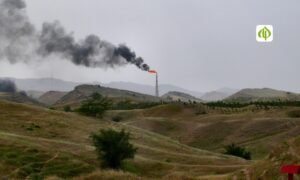
Worsening air pollution in Iran has left residents in several cities reporting headaches, nausea, and breathing problems, according to accounts received by Iran International. Many criticise authorities for keeping schools open. Officials have confirmed that heavy fuel oil, known as mazut, is still used because of gas shortages.
Key Highlights
- People in Isfahan, Tehran, Mashhad, Urmia, Arak, Karaj and Kermanshah described worsening air quality.
- Tehran’s air quality index reached 153 on Friday, 13 November.
- Officials say mazut use will continue into winter.
- Parents and students object to schools staying open.
What Happened?
Residents sent accounts of headaches, burning eyes, reduced visibility and breathing difficulties, particularly among elderly people and those with existing conditions. One Urmia resident said family members had daily headaches and that painkillers did not help. A Mashhad resident said the city smelled like burning tires.
Tehran’s index hit 153 on Friday evening, unhealthy for all groups, and stood at 125 by Sunday morning, 15 November, unhealthy for sensitive groups. One resident reported crowding at Tehran’s Milad Hospital.
Why Is It Important?
Iran’s air pollution affects health and daily life, and winter conditions usually worsen it. Residents are also questioning why classes continue when visibility is poor.
Impact and Implications
Gas supplies to cement factories have been cut, forcing a switch to mazut, said Ali-Akbar Alvandian of the Cement Industry Employers Association on 3 November, adding that this will likely continue until March. Deputy energy minister Mostafa Rajabi Mashhadi confirmed on 14 November that power plants will keep using mazut as fuel becomes harder to secure. A Kermanshah resident said the Bisotun power plant burned mazut in two units for over two months.
What Happens Next?
No decision on closing schools has been reported. With officials expecting mazut use to continue, air quality is likely to remain a concern through winter.