
Talent, Skills and the Future Workforce in Arabia
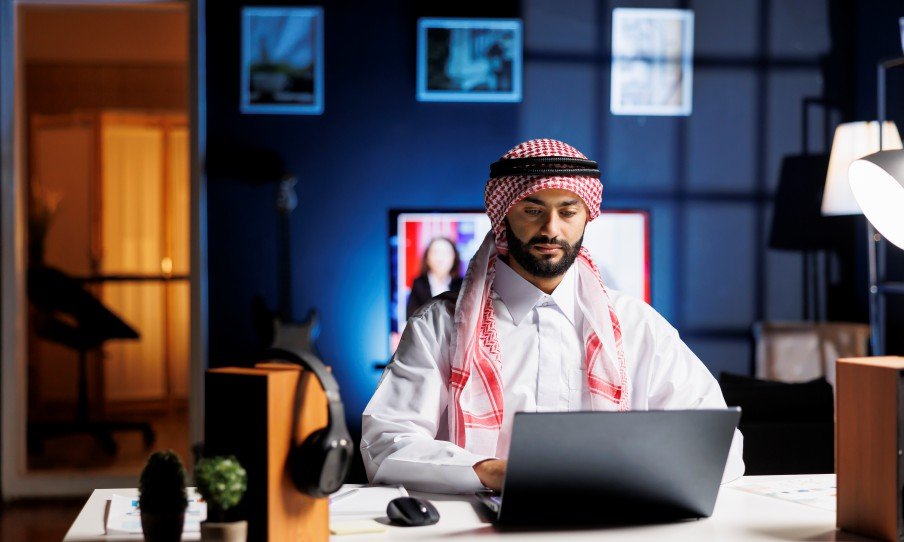
The Gulf region is undergoing a transformation in how work happens. In the Kingdom of Saudi Arabia alone, over 70% of companies say technological literacy is a growing priority. The number of AI‑talent hires rose by 24% in just one year, according to LinkedIn data. This signals a shift: talent, skills and the future workforce in Arabia are no longer about filling roles as they existed; they are about creating agile models, hiring based on what people can do, and building human sustainability so the workforce remains strong over time.
The challenge is real. Nearly 44% of core skills are set to change within five years in the region. So what does all this mean for organisations, leaders, and professionals in Arabia? Let us break it down.
Understanding New Workforce Models in Arabia
Traditional workforce models in Arabia, fixed job roles, long tenure, predictable career steps, are making way for something different. Firms are embracing internal talent mobility. For instance, one Saudi firm uses internal marketplaces and AI‑driven role‑matching to move people from one part of the business to another instead of always hiring externally.
The advantage here is agility. When a company shifts strategy, the workforce shifts too. Skills become portable. Another dimension is hybrid training models, virtual plus hands‑on, used to reskill workers instead of replacing them.
For Arabia’s future workforce, this means the model will be less linear career progression, and more networked moves, skill clusters instead of job titles, and continuous adaptation.
Skills‑Based Hiring: What It Means and Why It Matters in Arabia
Skills‑based hiring shifts focus from credentials or degrees to what a candidate actually brings: technical skills, mindset, adaptability. In Saudi Arabia, 38% of companies expect to remove degree requirements to broaden talent access. In the Middle East and North Africa region, skill disruption is more pronounced than global averages: 46 percent of on‑the‑job skills are expected to change by 2030.
Why does this matter in Arabia?
It opens doors for more diverse talent. Some workers may have vocational background or non‑traditional education but own highly relevant skills.
It allows faster response to change. When an organisation needs new capabilities (for example AI, cybersecurity, data analytics) they can hire or reskill for those skills rather than wait for degrees to catch up. In Saudi Arabia the hiring of AI talent grew 24 percent year‑on‑year.
It aligns with national strategic goals. The drive to diversify the economy demands a workforce with newer skills, not just more of the same.
For professionals this means: focus on building demonstrable skills, projects, certifications, portfolios. For organisations: revise job ads, update evaluation frameworks, build bridges from training to hiring.
Human Sustainability: Keeping the Workforce Healthy, Engaged and Future‑Ready
When we say human sustainability I mean the capacity of the workforce to stay resilient, relevant, and engaged over time. In Arabia’s context this has several facets.
Well‑being and engagement. Talent mobility and continuous reskilling are stressful if employees do not feel supported. Organisations need to invest in support systems, flexible work options, and career‑path clarity.
Lifelong learning. Since skills will keep shifting, the future workforce needs to learn continuously. In Saudi Arabia certificate enrolments rose 73% year‑on‑year as professionals seek job‑relevant credentials.
Inclusion and diversity. Human sustainability also means drawing on the full talent pool. Saudi Arabian efforts to raise female workforce participation underscore this.
Ethics and purpose. As roles evolve, purpose and meaning become more important to retain talent. Organisations must think not just about what skills people have now, but whether they want to stay, grow, contribute.
In short, building human sustainability matters because the workforce is not static. Arabia’s companies cannot simply hire once and forget it. The future workforce must be nurtured, sustained and given the space to evolve.
Case Study: Saudi Arabia’s Workforce Transition
Let us look at how Saudi Arabia is putting these ideas into practice. Under Waad National Training Campaign more than one million training opportunities were completed in Phase 1 and the target for Phase 2 is three million by 2028.
The country has mapped over 8,500 skills across 12 priority sectors to ensure training aligns with actual job requirements. On the hiring side, Saudi Arabia ranks 15th globally in attracting AI talent relative to population size.
What this reveals: the future workforce in Arabia is being built through coordinated models: skills‑frameworks, training, hiring reforms and mobility systems. For organisations operating there, the message is clear: align your workforce strategy with national changes or risk falling behind.
What Organisations and Professionals Should Do Now
For organisations
- Shift job‑descriptions to focus on outcomes and skills rather than fixed titles or degrees.
- Instigate internal mobility programmes so current talent can move into emerging areas rather than always sourcing externally.
- Partner with training institutions or digital‑learning platforms to upskill employees in skills you will need tomorrow.
- Measure human sustainability: retention rates, reskilling uptake, employee wellbeing metrics.
For professionals
- Focus on building skills that matter: digital literacy, AI awareness, data‑analysis, cybersecurity, adaptability. In Saudi Arabia these are highly sought.
- Build a portfolio of work or credentials that show you can deliver in changing scenarios, not just a static job title.
- Embrace lifelong learning. The pace of change in Arabia’s workforce means you must be ready for what comes next.
- Seek roles and organisations that treat talent holistically, not just as a resource but as a growing professional.
Conclusion
Here is what this all means. The phrase “talent, skills and the future workforce in Arabia” encapsulates a journey. It is not about filling existing roles but charting a new course for work in the region. Organisations that stick to old models will struggle. Professionals who assume a degree will carry them for life will find themselves outdated. The shift to skills‑based hiring and human sustainability is not optional, it is essential.
To succeed in Arabia’s evolving labour market means being agile, learning continuously and placing human sustainability at the heart of workforce strategy. When that becomes the default mindset rather than the exception, both organisations and individuals will thrive.
Read More Articles: Click Here