
Arab Influencers Shaping Digital Culture Trends Across Middle East and Beyond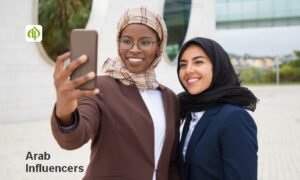
Nowadays, culture zips around the world faster because of social platforms. Voices from Arab creators stand out more than ever online. Not just posting trends – these people reshape stories about their region. Lifestyle tips flow alongside bold moves in activism and commerce. Real talk wins trust; followers feel seen through honest expression. Numbers matter less than real connection. Pride in heritage pulses under every post they share.
The Changing Role of Online Presence in Arab Societies
Off to a start, Arab influencers stepped into the spotlight when Instagram, then YouTube, later TikTok spread fast through the Middle East. With more people online, fresh paths opened – suddenly anyone could share moments, skills, viewpoints. From simple posts came something bigger: a real scene took shape without warning.
Starting from zero, these influencers grew step by step without staged moments. Through everyday stories, they reached people – mixing current habits with deep-rooted traditions along the way. That mix made all the difference, pulling in fans across neighborhoods and continents alike.
Early on, some governments and brands in the area saw what influencer marketing could do. Working alongside fashion labels, travel agencies, or tech firms helped plenty of online creators build their own ventures. Right now, influencers from Arab countries aren’t only faces on screens – they’re steering markets, setting styles, leading change.
Content Niches and Cultural Representation
One of the most compelling aspects of arab influencers is the diversity of content they produce. From modest fashion and beauty tutorials to travel vlogs and fitness routines, their work reflects a wide range of interests and lifestyles. This diversity helps break stereotypes and presents a more nuanced view of Arab culture to the world.
Fashion influencers, for instance, have played a major role in popularizing modest wear globally. By combining traditional attire with contemporary styles, they have created a unique fashion identity that appeals to a broad audience. Similarly, food bloggers and travel creators highlight regional cuisines and destinations, boosting cultural appreciation and tourism.
Cultural representation remains at the heart of their content. Many creators consciously incorporate elements of their heritage, such as language, traditions, and values. This not only strengthens their identity but also educates global audiences about the richness of Arab culture. Through storytelling and visuals, arab influencers are redefining how the region is perceived.
The Power of Authenticity and Community Engagement
What sets arab influencers apart is their strong connection with their audience. Authenticity is a key factor in their growth. Followers are drawn to creators who share real experiences, challenges, and personal stories rather than overly curated content.
Engagement goes beyond likes and comments. Influencers actively interact with their communities through live sessions, Q&As, and direct messages. This two-way communication builds trust and loyalty, making their influence more impactful. Many followers see them as relatable figures rather than distant celebrities.
This sense of community has also enabled influencers to address important social issues. Topics such as mental health, women empowerment, and entrepreneurship are increasingly being discussed. By using their platforms responsibly, arab influencers are contributing to meaningful conversations and inspiring positive change within society.
Business Opportunities and the Future of Influence
The growth of arab influencers has opened up significant business opportunities. Brands are investing heavily in influencer marketing, recognizing its effectiveness in reaching targeted audiences. Sponsored content, brand partnerships, and product launches have become common revenue streams for creators.
Many influencers are also launching their own businesses, from fashion lines to beauty products and digital platforms. This entrepreneurial approach allows them to diversify their income while maintaining creative control. As a result, they are not just promoting brands but building their own.
Looking ahead, the future of arab influencers appears promising. With advancements in technology and the continued expansion of digital platforms, their reach is only set to grow. Virtual reality, AI-driven content, and new media formats will likely shape the next phase of influencer marketing.
At the same time, maintaining authenticity will remain crucial. As audiences become more discerning, influencers who stay true to their values and culture will continue to stand out. The evolution of arab influencers is not just a trend but a reflection of a region embracing digital transformation while staying connected to its roots.