
Arab States Pivot to AI‑Driven Economies in 2026 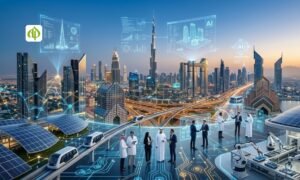
Nowhere is the shift clearer than across Arab countries diving headfirst into AI-based economic models by 2026. Gulf regions steer a massive $66-billion surge in state-backed funding aimed squarely at building artificial intelligence systems and backing new tech ventures. Because oil income alone feels less certain, national leaders turn machines and algorithms toward broadening earnings, upgrading how citizens access government help, even reshaping urban areas to stand alongside major world technology hotspots. Banking, transport networks, medical care, schools – each one adopts smart chat tools, data forecasts, automated workflows that slash expenses while pushing choices faster. Speed matters more now.
Noticeable shifts show up in urban tech efforts, where machine learning sharpens forecasts for vehicle movement, balances electricity distribution, while keeping watch on city safety using linked imaging devices and detectors. Public investment now flows into research spaces focused on artificial intelligence, sets rules for handling information nationally, builds tools that speak local tongues accurately – shaping code around community ways of expression instead. Meanwhile, a wave of younger founders from the region pushes new ventures live online, tapping into economic zones with perks, drawing support from area investors betting on finance apps, shopping platforms, promotional systems driven by data patterns.
Some experts warn fast AI growth needs strict privacy rules along with job training, because machines could replace countless routine jobs. Still, leaders say the future gains outweigh today’s upheaval, especially in areas full of tech-savvy youth. With artificial intelligence now shaping government work and business strategies across the region, Arab nations appear set on turning 2026 into more than a milestone – it might mark their leap into leading smart, inventive players worldwide.