
Aramco invests billions in hydrogen fueling Gulf energy transition
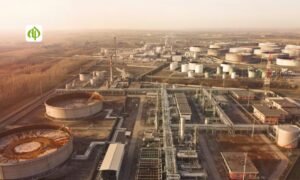
Saudi Aramco has unveiled a transformative $5 billion investment in green hydrogen production facilities centered in the futuristic NEOM city, targeting an ambitious output of 4 million tons annually by 2030. This strategic pivot aligns with Saudi Vision 2030, diversifying the kingdom’s economy beyond oil while positioning it as a leader in clean energy exports. The plants will utilize vast solar and wind resources in the region to power electrolysis, splitting water into hydrogen and oxygen without carbon emissions.
The UAE’s ADNOC is a key partner, collaborating on export infrastructure like massive hydrogen pipelines and shipping hubs aimed at high-demand markets in Europe and Asia. Government subsidies have slashed production costs by 30%, making green hydrogen competitive with liquefied natural gas (LNG) for power generation and industrial use. In February 2026, Aramco inked landmark offtake agreements with German utilities, securing long-term buyers and boosting project viability.
Technological advancements are at the core, with next-generation electrolyzers improving efficiency by 25% and reducing energy needs. This initiative is projected to create 50,000 high-skill jobs in renewables, from engineers to supply chain specialists, revitalizing local economies. OPEC+ members are balancing traditional oil revenues with hydrogen diversification, signaling a broader Gulf shift toward sustainability.
Investor sentiment has soared, driving Aramco’s stock up 10% in recent trading sessions amid green bond issuances. Regional hubs in Qatar and Oman are linking pipelines for a pan-Gulf hydrogen network, enhancing logistics. Compliance with International Maritime Organization (IMO) emissions standards ensures seamless global trade. Challenges remain, including scaling renewable energy grids and navigating geopolitical supply chain risks, but pilot projects have already produced commercial-grade hydrogen.
This move redefines Arab energy dominance, transitioning from fossil fuels to a hydrogen-powered future. It not only hedges against oil price volatility but also captures a projected $1 trillion global hydrogen market, cementing the Gulf’s role in the world’s energy transition. Strategic alliances with tech firms like Siemens will further accelerate deployment, promising economic resilience and environmental leadership.