
Famous Arab Desserts You Must Try
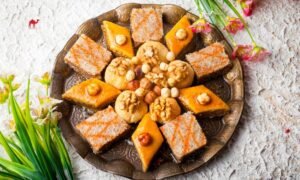
Arab culture does not consider sweets as something to be served after the main dish but as a joyful display of taste, history, and generosity. All these desserts are linking the modern world to the past in one way or the other, they are all very different from each other by regions.
So if you are a fan of desserts with great taste and lasting memories, then plunging into the Arab world of sweetmeats will be opening a new world for you full of different kinds of textures and scents that are culture and community based. What follows is a thorough presentation of the most popular and delicious Middle Eastern sweets that every gourmand should try at least once in their lifetime.
Why Arab Desserts Matter
Across the Arab world, dessert is more than sugar. The best Arab desserts balance sweetness with spices, nuts, milky textures, and floral essences like rosewater or orange blossom. These desserts often appear at weddings, holidays, and family gatherings. What this really means is that each bite carries centuries of tradition, shared through generations.
These traditional Arab sweets also reflect cultural exchange. Many desserts evolved in response to trade, conquest, and migration, blending Arab, Mediterranean, and Ottoman influences. They tell stories of place and memory.
Baklava – A Timeless Favorite
Baklava is perhaps the most recognizable in the world of famous Middle Eastern sweets. It is layers of delicate phyllo dough brushed with butter, filled with chopped nuts such as pistachios or walnuts, and soaked in a fragrant sugar or honey syrup. The result is crisp, sweet, and layered with nutty depth.
Wherever you travel in the Arab world, baklava appears in slightly different forms. Some versions use cinnamon or cardamom alongside nuts. Others add citrus notes in the syrup. No matter the variation, it remains a definitive Arab dessert experience.
Kunafa – Cheese and Crisp in Every Bite
Kunafa (sometimes spelled knafeh or kanafeh) is a standout traditional Arab sweet. It contrasts crispy shredded dough or semolina with a gooey cheese center. Once baked, it is soaked in sweet syrup and often garnished with pistachios.
This dessert is deeply loved throughout the Middle East, especially in places like Palestine, Lebanon, and Egypt. Kunafa perfectly illustrates how Arab desserts blend texture and flavor in ways that are both comforting and unforgettable.
Maamoul – Festive and Filled with Flavor
Maamoul cookies are small, buttery shortbread-like sweets that are typical during holidays like Eid. They are usually filled with date paste, pistachios, or walnuts. Their beautiful designs are pressed into the dough before baking.
These famous Middle Eastern sweets are not only delicious but also part of cultural rituals. In many Arab homes, families make maamoul together, sharing memories as much as recipes.
Basbousa – Semolina’s Sweet Side
Basbousa is a syrup-soaked semolina cake that exemplifies traditional Arab sweets. Moist, grainy, and richly sweet, it sometimes carries hints of rosewater or citrus. This dessert is especially popular in Egypt and across North Africa.
The texture sets basbousa apart among Arab desserts. It is dense yet tender, and often garnished with almonds or coconut. If you try only one semolina treat, this is a must.
Aish as-Saraya – Royal Simplicity
The name Aish as-Saraya means “bread of the palace,” and this traditional Arab sweet lives up to that image. Shredded bread or breadcrumbs are soaked in syrup, then topped with rich clotted cream and pistachios.
This dessert connects everyday ingredients to regal presentation. It is sweeter and richer than classic bread pudding, but its layers of flavor make it unforgettable.
Muhallebi – Creamy and Cooling
Muhallebi is a milk-based pudding that brings elegance and lightness to the lineup of famous Middle Eastern sweets. Made from milk, sugar, and rice or semolina, it is simple yet fragrant with floral notes such as rosewater.
This dessert is both soothing and satisfying, a perfect follow-up to sticky syrup-laden pastries.
Conclusion
To understand the soul of Arabic food, you must start with its sweets. These sweet dishes of the Arabs embody the history, the variation between regions and the cultural commemoration of the last few centuries. There is a dessert for every taste and the range goes from flaky baklava through cheesy kunafa and from semolina richness to creamy muhallebi. The famous Mideast delights invite to be tried and every taste tells a bit of the history and a part of the human experience that has been shared.
Are you ready for the tasting? First, you can find these treats at a nearby Middle Eastern pastry shop, then you can make them at home, or you can just wait until your next trip to find them. You will see why these traditional Arab sweets have not lost their popularity among people all over the world.
Read More Blog: Click Here