
Navigating the Diverse Landscapes and Rich Heritage of Middle East Countries
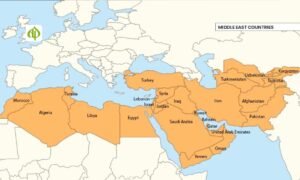
Out here, where sand meets sea and old stones whisper stories, lies a stretch of land tangled in time – neither fully East nor West. Journeys through it often begin by accident, sparked by a name on a map or a scent carried on hot wind. One moment you’re tracing borders drawn long ago, next you’re caught in the hum of a market older than cities most know. Each country holds its own rhythm: quiet mornings in mountain villages, sharp noon light over oil fields, evenings thick with dialects shifting block to block. History does not sit still here – it climbs walls, slips into songs, lingers in tea poured slow. Faith shapes days, yes – but so do trade routes reinvented, languages blended, families stretched across continents. To see only conflict is to miss half the picture; life pushes forward in libraries, labs, courtyards, ports. These places resist simple labels because they were never meant to fit one mold. What binds them isn’t just geography but layers piling up over centuries – the weight of empires gone, new dreams taking root.
Ancient Civilizations and Cultural Depth
Old stones whisper stories across towns that have lived for thousands of years, tucked inside places like Egypt, Iraq, and Syria. From dawn light on temple columns to dust settling on forgotten walls – life moves around them every day. People pass archways older than memory while sipping morning tea or riding buses crowded with schoolchildren. Faith began here, too, where Judaism, Christianity, and Islam took root beneath wide desert skies. You can see it in worn steps climbed by pilgrims, in quiet courtyards humming with prayer. Even when governments shift or protests fill squares, something steady remains – the weight of time held in stone, soil, and speech.
Economic Transformation and the Vision for the Future
In recent years, the economic narrative of several middle east countries has shifted from a pure reliance on fossil fuels toward ambitious diversification. The Gulf Cooperation Council members, led by Saudi Arabia and the United Arab Emirates, are investing heavily in tourism, renewable energy, and artificial intelligence. Cities like Dubai and Riyadh have become architectural playgrounds, boasting some of the world’s tallest buildings and most innovative urban planning projects. This shift is not just about vanity; it is a calculated move to ensure long-term stability in a post-oil global economy. By fostering innovation hubs and attracting international talent, these middle east countries are repositioning themselves as central players in the 21st-century global market.
Navigating Contemporary Challenges and Regional Dynamics
Despite the rapid modernization, many middle east countries face significant hurdles ranging from resource scarcity to complex diplomatic relations. Water security has become a primary concern as climate change impacts traditional agricultural practices and urban water supplies. Furthermore, the region continues to navigate a delicate balance between traditional values and the demands of a youthful, tech-savvy population seeking greater connectivity. While some areas experience profound stability and growth, others are working through the difficult process of rebuilding and reconciliation. The internal diversity among these nations means that there is no “one size fits all” description for the political or social climate across the various middle east countries.
The Global Significance of Regional Stability
The international community remains closely attuned to the developments within middle east countries because of their strategic importance to global energy markets and trade routes. Vital maritime corridors, such as the Strait of Hormuz and the Suez Canal, are essential for the movement of goods between East and West. When stability is maintained, the entire global economy benefits from predictable energy prices and secure shipping lanes. As these middle east countries continue to evolve, their role in international diplomacy and humanitarian efforts grows more pronounced. Whether through hosting global sporting events or leading climate change initiatives, the influence of these nations extends far beyond their geographical borders.
A Crossroads of Innovation and Tradition
Ultimately, the story of middle east countries is one of constant motion and profound resilience. It is a region where a nomad’s traditions might coexist with a startup founder’s vision for a digital future. Travelers and business leaders alike are drawn to the unique blend of hospitality and enterprise that characterizes the local culture. As we look toward the middle of the decade, the ongoing transformation within middle east countries suggests a future where they remain pivotal to the world’s cultural and economic evolution. By embracing both their historical significance and their potential for innovation, these nations continue to shape the global narrative in unexpected and powerful ways. The enduring spirit of the middle east countries ensures they will remain at the heart of the world stage for generations to come.