
Navigating the Legal Labyrinth: What is Intellectual Property Infringement?
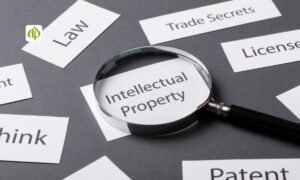
Picture today’s world where everything clicks online. Creative work now lives everywhere, not just on paper or canvas. Because of this shift, knowing what copyright means matters more. Machines can generate images, music, stories – almost instantly. With so much floating across borders, it becomes harder to tell influence apart from misuse. Using someone else’s idea without permission sits at the heart of IP violations. These rights cover more than just art – they stretch into designs, codes, brands. Each type plays by different rules, carries separate risks. Teachers shaping young minds, artists building portfolios, companies launching products – all need clear awareness. Falling into legal trouble could cost time, money, reputation. Respecting ownership helps keep trust alive in digital spaces. Ignoring it might lead to disputes nobody wants.
The Fundamentals of Intellectual Property Infringement
Start by breaking down what keeps creative work under lock and key – patents, trademarks, copyrights. When those protections get crossed without approval, it counts as trespassing on someone else’s idea territory. Unauthorized creation, application, or distribution of an invention? That lands squarely in patent violation territory, especially common where big money rides on innovation like medicine or gadgets. Then there’s the mix-up game – trademarks trip when names, symbols, or phrases blur lines enough to fool buyers into thinking they’re getting something from a known brand. From counterfeit designer handbags to new tech firms copying logos too closely, trademarks exist to guard how companies are recognized and keep buyers confident. When these rules get broken, fines pile up fast while legal orders may force operations to stop without warning. Business closures happen just like that when courts step in after someone ignores another’s brand rights.
Understanding Copyright Infringement in the Digital and AI Era
Here’s something people often mix up. Patents handle inventions, trademarks deal with logos and names – yet copyright? That guards how ideas show up in books, songs, paintings. Lately, software and online stuff count too. Now, fast forward to 2026. Everyone talks about AI soaking up creative work to learn tricks. Think movie companies squaring off against tech startups in court. At stake? Whether copying masses of artwork to teach machines crosses a line. Picture this: an artificial brain studies countless photos, then draws like your favorite modern painter. Does that cross into forbidden territory? Judges haven’t settled every detail. Still, one thing holds true. Using someone else’s protected creation – sharing it, selling it, showing it widely – without permission usually spells trouble. This includes things like sharing a protected tune in an online ad, while at the same time grabbing programs from unauthorized websites. Because making stuff is now open to nearly everyone, copying without permission happens more often – yet spotting offenders got quicker thanks to automatic file tracking tech that flags matches in seconds.
Navigating Trademark and Patent Violations in Global Markets
When companies work in more than one country, copying issues grow much faster. Because laws differ from place to place, some people find weak spots – like patent trolls or cybersquatters – and use them. Lately, especially in 2026, fake versions of how something looks on the outside are becoming more common. Copying the shape, color, or layout of a gadget, say, hits hard – it can hurt sales like stealing tech does. Take phones or speakers made by big brands: if another version appears that mimics every curve and edge, customers might buy that instead. Not always about function. Often, it is simply appearance that fools buyers. These close copies blur lines without breaking strict rules. One region may allow what another bans outright. So legal risk shifts depending on location. A look-alike sold in one market could face lawsuits in another. What counts as too similar keeps changing. Courts struggle to define clear limits. Design matters just as much as code or circuits now. Imitators know this. They adjust small details only enough to claim difference. The result? Confusion spreads. Original makers lose trust even when they win cases. Judges weigh intent less than before. Focus lands on whether users see no real distinction. That shift shapes outcomes today. Staying ahead means acting before problems start – filing worldwide protections helps, while hidden markers or fake listings can catch copycats red-handed. When borders blur in commerce, shared rules for inventions and designs seem obvious, still most places play by different standards, leaving inventors to watch their backs from day one.
Legal Consequences and Regulatory Shifts in 2026
Heavy fines now follow those who ignore intellectual property rights, especially since creative work and data mean more money than before. By 2026, places like India and the U.S. updated their digital laws, forcing platforms to remove copied material much quicker. Legal battles loom, sure, along with huge payouts if caught – yet jail time could come too when copying happens at scale. Still, what really stings? The public backlash. When customers start seeing a company as dishonest, trust slips away fast – and rarely comes back. Finding our way through tangled ground, protection comes less from rules alone but more from valuing fresh ideas deeply. What matters grows not just in courts but in everyday choices to honor effort behind new work. Rewards follow risk when systems back creators fairly. Clarity shows up where people see contrast: fair borrowing stands apart from outright taking. A sharper eye on that line shapes better outcomes online over time.