
Saudi Arabia Reintroduces Asian Houbara Bustard After 35 Years
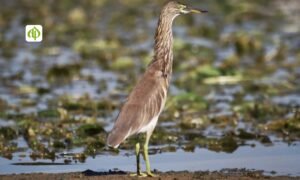
A scientific project from Saudi Arabia aims to restore the Asian houbara bustard population which has been extinct in the country for 40 years. The International Union for Conservation of Nature (IUCN) has deemed the Asian houbara (Chlamydotis macqueenii) to be critically endangered throughout the Arabian Peninsula.
The current state of Saudi Arabia shows no existing wild resident populations while the Kingdom records only rare migratory occurrences at its northern and eastern borders. The houbara exists as a famous desert bird, which connects with the region’s cultural heritage because of its role in traditional falconry.
The bird experienced accelerated population decline during the second half of the 20th century because of excessive hunting and the destruction of its natural habitat. The Prince Mohammed bin Salman Royal Reserve has successfully returned the bird to its natural habitat after it vanished from the area for more than three decades which forms part of its ReWild Arabia mission. The program released 20 birds, in collaboration with:
- the National Center for Wildlife
- the Prince Mohammed bin Salman Houbara Conservation Foundation
The Asian houbara became a recognized separate species from the African houbara through research that proved their separate morphological and vocal and genetic and plumage differences. The female species usually weighs between 1.2 kilograms and 1.5 kilograms while male members of the species have weight ranges from 1.8 kilograms to 2.5 kilograms. The bird has evolved to survive in dry desert environments and its breeding range extends to wintering territories which are located more than 5000 kilometers away.
Long-term monitoring functions as an essential component within the reintroduction project. The researchers equipped ten of the freed birds with satellite tracking equipment which enables them to monitor the birds’ survival rates and movement behavior and habitat preferences and their encountered dangers.
The tracking tags weigh about 30 grams and use a Teflon ribbon harness to attach to birds which allows them to move and behave naturally. The devices send out information four times each day.
The current conditions at the site offer the most favorable conditions for achievement according to Andrew Zaloumis who serves as CEO of the reserve because all essential elements for success including habitat restoration and ranger programs and community participation have been established. The program operates as a research-based initiative which includes all stages from breeding to monitoring.
The Asian houbara requires artificial insemination because it does not engage in natural breeding practices within controlled environments which creates difficulty for captive breeding. The breeding process needs accurate genetic management to prevent inbreeding and safeguard essential survival skills which exist in nature.
The Asian houbara became the thirteenth species to be restocked in the reserve’s rewilding initiative which seeks to restore twenty-three indigenous species to their original geographical territories.
Experts involved in the project stress that success cannot be measured quickly. Because the bird has a low reproductive rate and lives long, a period of 10 to 15 years of consistent monitoring is typically needed to confirm that a population has become self-sustaining.
Read More News: Click Here