
Saudi Arabia Releases Predatory Birds to Boost Biodiversity in Al-Soudah Park
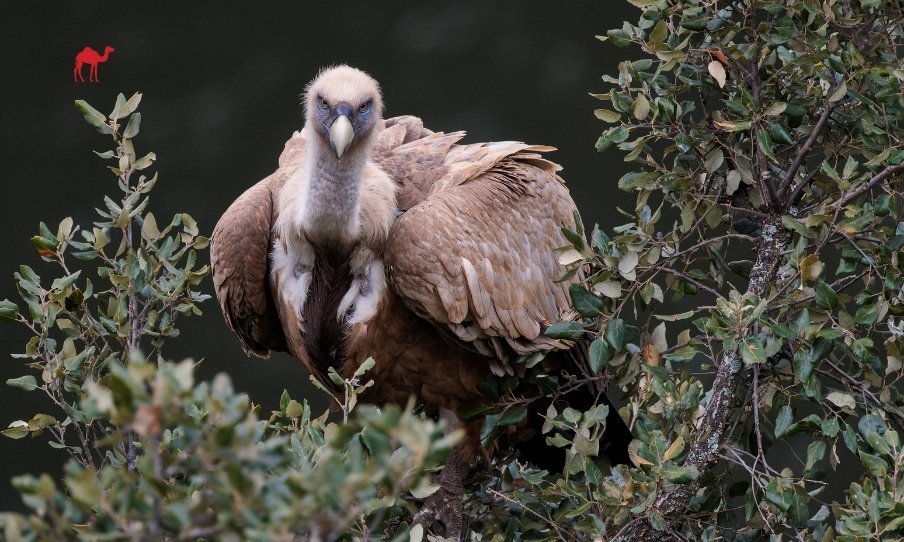
In Saudi Arabia, the National Center for Wildlife (NCW) has set free several predatory birds that were rehabilitated in Al-Soudah Park. This freeing operation is a part of the Green Initiative and National Environment Strategy of the Kingdom, whose focus is on species conservation and return of ecological balance to the areas of nature.
The animals freed included three griffon vultures, a black kite, an Arabian scops owl, and a Eurasian sparrowhawk. These creatures have undergone the process of being healed, and then they were made familiar with the environment before they were let free, so they could adjust to the natural surroundings. The NCW did not only allow the birds to be set free but also made sure that they will be able to survive in and even help the ecosystems of the area.
Al-Soudah Park is situated in the mountainous region of the southwestern Saudi Arabia and is famous for the variety of its flora and fauna and the uniqueness of its landscape. The arrival of these predatory birds aims at alleviating the natural food chains and to up the quality of the habitats. Predators are vital in an ecosystem as they are one of the factors contributing to the population control of smaller animals and also balance among the different species.
NCW officials are willing to oversee the habits of the birds to be sure of how well they adjust to the new environment and also their relations with the other inhabitants of the area. It will be of great help to them to keep a record of the location and activities of the birds as it will give them information on the management of the wildlife and conservation especially in the future. This continuous surveillance is a sign of the Kingdom’s dedication to a science-based approach to wildlife restoration.
This program aligns with the wider environmental policies of Saudi Arabia that are directed towards the preservation of natural resources and biodiversity amidst the country’s rapid development. The initiatives in preservation like this one, are a loud and clear signal, of the growing acknowledgment of the care of the environment and the urgent need to protect the indigenous species for the future generations.
The Saudi media were writing about the importance of such endeavors in the maintenance of ecosystems in good health. Predatory birds are generally considered to be a reflection of environmental standards, as they testify to the general condition of their habitats. By bringing their numbers back up to the level, it can result in the whole ecosystem benefiting from the chain effect, starting from soil revitalization to vegetation patterns.
Moreover, the NCW has been implementing public-awareness programs in support of the release effort that seeks to inform people about the conservation of wildlife. These programs are targeted at creating a favorable reception among the locals for the protection of the species facing extinction and at the same time to provide an impetus to community participation in environmental preservation.
Saudi Arabia’s steps to conservation care are the same as those of a global movement, which is headed towards the adoption of sustainable environmental practices. With the rehabilitation of animals that are ailing and the restoration of their habitats, the Kingdom is moderately accomplishing the goal of protecting the natural heritage and guaranteeing that the next generations are the inheritors of vibrant ecosystems.
Read More News: Click Here