
Sustainable Living in the Middle East Green Initiatives Shaping a New Future
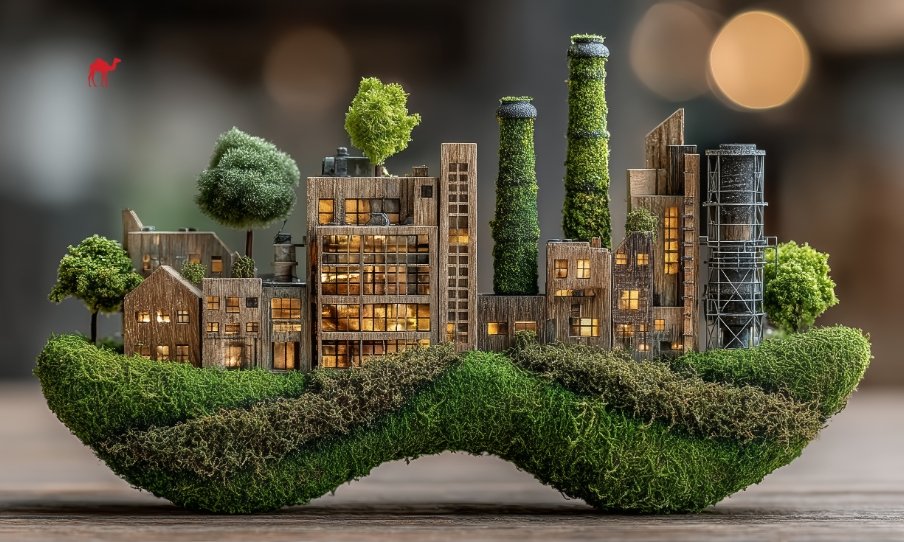
Sustainable living in the Middle East is moving from concept to action. The region has always faced heat, water scarcity, and fragile ecosystems. What is happening now is a shift in mindset. Governments, communities, and innovators are turning these challenges into catalysts for cleaner cities, smarter energy, and stronger environmental planning. The pace of change is faster than many expect, and the scale is starting to influence the global sustainability conversation. This reflects How the Middle East is adopting sustainable living and highlights broader Community driven sustainability efforts in the Middle East.
Renewable Energy Projects Transforming Regional Power
The Middle East has a lot of sunlight. And now it is finally leveraging that natural power to change the way energy is generated. This is very evident in the massive solar fields that are spreading throughout the UAE, Saudi Arabia, and Jordan. These installations are providing cities with green electricity and are making fossil fuel systems less carbon-intensive. Many of these changes are tied to renewable energy Middle East growth and the rise of solar power projects Middle East. They are part of broader Middle East sustainability initiatives that aim to set new environmental standards.
The Mohammed bin Rashid Al Maktoum Solar Park in Dubai is a perfect example of how far the region has gone in its ambitions. It is ever-expanding and mixing solar photovoltaic and concentrated solar technologies. Saudi Arabia’s Sakaka Solar Plant injected fresh energy into the renewable market and demonstrated how clean energy can be integrated into daily grids rather than be a distant concept. Jordan has directed its efforts towards community-based solar to reduce the cost of energy in households and to enhance energy security. Several of these major installations also represent UAE solar farms and show how Renewable energy projects transforming the Middle East are shaping policy direction.
What it essentially signifies is that renewable energy is being transformed from mere symbolic projects to vital infrastructure. People are noticing the change through cleaner air and more reliable access to electricity during the times of highest demand. These shifts form part of Middle East sustainability initiatives and explain why Green initiatives Middle East are now influencing global environmental strategy.
Innovative Urban Sustainability Models in Gulf Cities
Some of the most interesting sustainability experiments in the world are unfolding in Gulf cities. Governments are building entire districts around ideas of walkability, energy efficiency, and reduced emissions connected to Urban sustainability Gulf cities.
Masdar City in Abu Dhabi remains one of the most widely studied examples. The city was designed to cut energy use through clever architecture, shaded walkways, and smart transportation. Even though it evolved from its original plan, it still functions as a real world laboratory where clean technologies are tested before reaching wider markets. Its model is often evaluated in studies of Masdar City sustainability.
Neom in Saudi Arabia is also shaping a new narrative for green urban living. Its planners aim to construct long and narrow urban areas powered by renewable energy and supported by artificial intelligence based systems. Whether or not every detail becomes reality, the project is pushing discussions about how future cities can operate with minimal environmental impact. It also serves as an example of the Neom renewable city model, which is reshaping expectations for the Future of green cities in the Gulf region and contributing to the broader Saudi Arabia green strategy.
Other cities in the region are focusing on existing neighborhoods. Doha has invested in green building standards and sustainable stadiums. Manama is improving coastal conservation alongside urban development. These examples show that sustainable living is not only about building new cities from scratch. It is about improving how current cities breathe, move, and grow. They offer strong support for Sustainable living in the Middle East becoming part of daily life.
Water Conservation and Smart Agriculture Changing Daily Life
Before, people had to deal with water shortage in the Middle East, which was the reason why life had to be adapted to the available water, but that problem is currently pushing the countries of the region to adopt new habits and to develop new technologies to use water more efficiently. Desalination plants powered by solar energy and water recycling facilities are the two main projects the countries are working on.
This move both alleviates the demand from natural water sources and provides stability for the future. These advancements reflect ongoing Water conservation Middle East programs and the spread of Desalination technology Middle East. They are also examples of Water saving technologies shaping Middle Eastern life.
The equally important and massive change agriculture is going through will ensure the region’s survival for the long term. The greenhouses in the UAE and the vertical farms in Kuwait offer fresh produce at a fraction of the water used in open fields. Saudi Arabia is looking into the possibility of growing the desert with salt-tolerant crops.
Not only secure the food supplies, but also become self-sufficient by the local production of the agri-food sector. These steps reflect the rise of Smart agriculture Middle East and the expansion of Vertical farming Middle East, which strengthen food security while aligning with Green initiatives Middle East.
People get to see and feel the changes in front of their eyes through the availability of fresh food, less reliance on imports and increased confidence in regional food security. This shift links back to Sustainable living in the Middle East becoming a community effort.
National Green Strategies Accelerating Climate Action
Many countries have put in place various sustainability plans at the national level which determine policy and services guide. To help combat climate change, Saudi Arabia launched the Saudi Green Initiative to increase renewable energy, reduce carbon emissions, and plant trees.
The UAE Net Zero 2050 plan is mainly aimed at energy production from clean sources, using electricity for transportation, and making industries ready for a low carbon future. Qatar is actively implementing environmental regulations which protect marine areas and control waste generation. These actions form part of Qatar environmental policies, feed into the Saudi Arabia green strategy, and promote the Circular economy Middle East across various sectors.
These strategies are important because they demonstrate the willingness to commit for a long time. Besides that, they bring in private companies and local communities as partners in the implementation through green building, more efficient transportation, and better recycling systems. They highlight how Middle East sustainability initiatives are becoming long-term policy priorities.
Community Driven Movements Supporting Everyday Sustainability
Sustainable living is not only a government project. People across the Middle East are taking part through community gardens, recycling groups, and education programs. Local businesses promote low waste packaging and responsible sourcing. Schools run environmental clubs that teach young people how to care for their surroundings. Many of these efforts reinforce Community driven sustainability efforts in the Middle East.
There is also a rise in sustainable tourism. Resorts in Oman protect coral reefs. Nature reserves in Jordan create jobs while safeguarding wildlife. These experiences help visitors understand how fragile desert ecosystems are and why they deserve protection. These local programs show how Sustainable living in the Middle East is becoming a shared responsibility.
When people see the positive impact of these efforts, they feel more motivated to reduce waste, conserve water, and support cleaner transportation options. This aligns with broader Water conservation Middle East awareness.
The Future of Sustainable Living in the Region
The Middle East is entering a new stage of environmental awareness. Major projects set the foundation. Community movements give the change real depth. Technology helps people use resources more wisely. None of these efforts solve every challenge, but together they create momentum. These long-term changes are preparing the region for the Future of green cities in the Gulf region and strengthening Sustainable living in the Middle East.
The region is proving that sustainability does not have to clash with development. It can guide it. The more these initiatives grow, the more they inspire similar actions across the world. The message is clear. A greener Middle East is not only possible. It is already taking shape.
Read More Blog: Click Here