
The Future of Middle East: Transformation, Innovation, and Global Influence 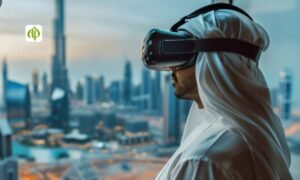
For decades, the Middle East shaped world energy flows, now change runs deeper than crude exports alone. Progress pushes past old pillars, reaching into digital systems, travel networks, fresh power sources. Leaders back bold upgrades – not just pipelines but smart cities, transport links, solar farms. With each new project rising, attention shifts toward inventive solutions, cleaner practices, tighter ties with worldwide commerce. Talk about where things head centers less on reserves, more on reinvention, balance, shared financial pathways.
Nowhere else is growth quite so visible as in these sprawling new cityscapes, where bold government plans meet a surge of startup energy. Instead of relying on old models, fresh digital markets push forward, drawing interest from investors worldwide. While skylines transform, something deeper shifts too – the way people see the Middle East begins to change. Technology moves in quietly, yet its presence alters both opportunity and engagement across continents.
Economic Diversification and Strategic Vision
What shapes tomorrow in the Middle East? A quiet move away from relying only on oil. Oil once held everything together across these nations. Yet today’s leaders see a different path forward – building strength through variety. Energy still matters deeply, though it no longer stands alone at center stage.
Across the region, nations rolled out multi-year plans targeting expansion in areas like travel services, shipping networks, banking systems, smart technologies, and high-end production. Big spending on transport links, special business districts, and global commerce deals pulls in large overseas firms and outside funding.
These strategic initiatives are not simply about replacing oil revenue; they are about building resilient economies capable of adapting to global market changes. By encouraging private sector participation and fostering entrepreneurship, regional leaders are laying the foundation for sustainable economic expansion that will define the Future of Middle East for decades to come.
Technology and Innovation Driving Transformation
Technology is playing a central role in reshaping the region’s economic landscape. Governments are embracing digital transformation through smart governance, artificial intelligence integration, and digital infrastructure development. High-speed connectivity, advanced data centers, and innovation hubs are supporting a growing technology ecosystem.
Startups are flourishing in sectors such as fintech, health technology, and e-commerce. Regional venture capital funding has increased significantly, enabling entrepreneurs to develop solutions tailored to local and global markets. Innovation parks and startup accelerators are creating collaborative environments where talent, research, and investment intersect.
These developments highlight how digital progress is influencing the Future of Middle East. Instead of being viewed primarily as an energy powerhouse, the region is gradually establishing itself as a center for technological experimentation and forward-looking business models. This transformation also encourages global tech companies to establish regional headquarters, further strengthening the innovation ecosystem.
Sustainability and Energy Transition
As climate change becomes a global priority, sustainability has emerged as another major pillar shaping the Future of Middle East. Many countries in the region are investing in renewable energy projects, including solar and wind power, to reduce carbon emissions and support environmental goals.
Large-scale renewable energy plants are being developed to supply clean electricity while maintaining energy security. These initiatives not only contribute to global climate commitments but also create new industries and employment opportunities within the region. Green hydrogen projects and sustainable urban developments are also gaining attention as part of broader environmental strategies.
The energy transition is not about abandoning traditional resources overnight. Instead, it reflects a gradual shift toward a balanced energy mix that supports long-term economic stability. By integrating sustainability into national development plans, regional governments are demonstrating how environmental responsibility can align with economic growth.
Cultural Connectivity and Global Influence
Beyond economic and technological changes, cultural openness and global connectivity are also shaping the Future of Middle East. Tourism initiatives, international events, and cultural investments are helping the region strengthen its global presence. Major global exhibitions, sporting events, and entertainment projects have attracted millions of visitors and investors from around the world.
This cultural expansion is creating new industries related to hospitality, media, creative arts, and digital entertainment. International collaborations in education and research are also increasing, encouraging knowledge exchange and skill development among younger generations.
Population demographics play a crucial role in this transformation. A large proportion of the region’s population is young, educated, and digitally connected. Their aspirations are influencing economic policy, entrepreneurial growth, and social innovation. By empowering youth through education, entrepreneurship programs, and digital opportunities, governments are nurturing a generation that will actively shape the Future of Middle East.
A Region Moving Toward a New Global Role
The Middle East is at a pivotal moment in its development journey. Economic diversification, technological innovation, sustainability initiatives, and cultural expansion are collectively redefining the region’s global role. Rather than being defined solely by natural resources, the region is positioning itself as a dynamic hub of commerce, innovation, and cultural exchange.
The Future of Middle East will likely be characterized by deeper global partnerships, advanced technological adoption, and resilient economic frameworks. While challenges remain, including geopolitical complexities and economic transitions, the region’s strategic vision and investment momentum indicate a clear commitment to transformation.
As the world continues to evolve, the Middle East’s ability to combine tradition with innovation will determine its influence on global economic and technological progress. The coming decades may reveal a region that not only adapts to change but actively leads it.