
The Rich Cultural Tapestry And Diverse Flavors Of Authentic Traditional Arab Food 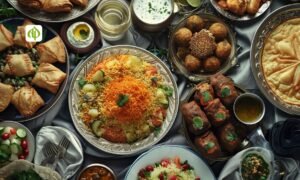
Out here among the hills and cities, cooking tells stories older than most books. Picture this: warm air thick with cumin drifting from street corners, sesame paste stirred slow into creamy gold, meals stretched across wide trays where hands reach again and again. To eat together isn’t just eating – it’s memory handed plate by plate, gesture by gesture. Walk any market in Marrakech, stone alleys humming, baskets spilling saffron and mint, yet still the heart beats in what hasn’t changed. Even inside glass towers of Dubai, stoves burn with methods whispered mother to child, fire to pot, century after century.
Mountains near the sea bring fish and lemons into daily cooking. Inland, where sand stretches wide, meals rely on lentils, wheat, and dried meat instead. Even so, each plate carries a quiet kindness, shared without words. A morning spread of cheese and olives holds the same care as a grand celebration dish. Behind every recipe hums a deep welcome, slow and steady. Taste any morsel, hear echoes of soil, sun, and hands that shaped it.
The Base Elements of Spices and Key Ingredients
Most amazing dishes start with knowing how flavors fit together. Not just about spice, but shaping tastes that unfold slowly. Found in nearly every home kitchen, za’atar mixes dried thyme, sumac, and sesame into something flexible and rich. Pomegranate molasses does more than sweeten – its sharp thickness lifts meats and greens alike. What makes arab food stand out often comes down to two things: clean, bright herbs and olive oil that hasn’t lost its edge. The result? Cooking where each ingredient pulls weight without shouting.
Out past the flatbreads, grains such as bulgur, freekeh, and rice take center stage – quiet bases ready for bold flavors to land on top. Lamb or chicken simmers long and low, softened by baths of yogurt or sharp citrus before hitting the plate. Yet somehow, the spotlight shifts when legumes enter. Chickpeas get whipped into velvet spreads; fava beans crackle in hot oil as golden patties. Without fanfare, plants hold their own, rich and deep where flavor matters most. Because everything comes straight from earth and hand, the meals carry a kind of energy – bright, rooted, unshaken.
The Art Of The Meze And Social Dining
Dining in this part of the world is rarely a solitary affair. The concept of the meze—a collection of small dishes served at the start of a meal—perfectly encapsulates the social nature of the culture. It is an invitation to slow down, converse, and sample a variety of textures and temperatures. You might find smoky baba ghanoush sitting alongside vibrant tabbouleh, where the parsley is chopped so finely it resembles emerald dust. This style of eating encourages a democratic table where everyone shares from the same plates, reinforcing a sense of community and equality.
Beyond the appetizers, the main course often serves as a centerpiece of architectural beauty. Dishes like Maqluba, which literally translates to “upside down,” involve layering meat, rice, and fried vegetables in a pot before flipping it onto a large tray to reveal a savory cake-like structure. This theatrical element of arab food turns a simple lunch into an event. The preparation of these meals often requires hours of labor and the help of multiple family members, making the act of cooking a communal ritual that strengthens bonds before the first fork is even lifted.
Sweets And The Ritual Of Coffee
No exploration of this culinary world would be complete without mentioning the intricate craft of desserts. Middle Eastern sweets are famous for their use of filo pastry, nuts, and floral syrups. Baklava, with its countless buttery layers and crushed pistachios, is perhaps the most iconic, but there are endless variations involving semolina, cheese, and dates. These treats are rarely overly sugary; instead, they rely on the delicate aroma of rose water or orange blossom water to provide a sophisticated finish to the palate.
Accompanying these sweets is the ubiquitous presence of coffee or tea. In many households, the preparation of Arabic coffee is a ritualized process involving lightly roasted beans and cardamom. It is served in small cups without handles, and the etiquette of pouring and receiving the drink is a language unto itself. This final stage of the meal is not just about digestion; it is about lingering over conversation and extending the hospitality that began the moment the guest walked through the door. It is here, in the quiet moments following a feast, that the true spirit of arab food is most felt.
Final Thoughts On A Living Culinary Legacy
The global popularity of these dishes has grown immensely in recent years, as people around the world seek out bold, healthy, and authentic flavors. While modern chefs are finding innovative ways to reinterpret classic recipes, the soul of the cuisine remains unchanged. It is a kitchen governed by the seasons and the spirit of giving. As more people discover the joys of arab food, they are not just tasting new ingredients; they are participating in a tradition that celebrates the beauty of shared humanity through the universal language of a well-cooked meal. Whether you are a seasoned foodie or a curious newcomer, there is always a seat at the table and a story waiting to be shared.