
The Strategic Evolution of GCC Renewable Hubs Toward a Sustainable Global Energy Future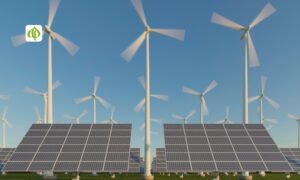
Right now, the way we produce energy across the planet is changing at its core, as countries move away from fossil fuels and into cleaner options. In the middle of it all sits the Middle East, where new renewable centers in the Gulf Cooperation Council are reshaping what those economies stand for. Once famous only for huge oil supplies, these nations are using natural strengths – like intense sunlight and key sea routes – to take charge in modern electricity production. The switch isn’t just about protecting nature; it’s a smart financial play aimed at staying strong once oil fades. With advanced tools paired with heavy funding, they’re laying out a model others might follow: how places built on resources can step boldly into an eco-friendly future while keeping influence globally.
The Making of Regional Energy Hubs
Out in the open deserts, setting up solar gear isn’t enough to make Gulf nations’ clean energy dreams real. Big changes must ripple through laws and systems built years ago. Take Saudi Arabia’s plan stretching toward 2030 – its reach pulls everything forward. The UAE’s promise to hit net zero by mid-century adds steady push too. Giant projects now rising were once hard to imagine on such scale. Think sprawling fields of sun catchers linked directly to futuristic city grids. Efficiency there isn’t an afterthought – it shapes how streets and buildings come together from day one. Inside these zones, inventors work near factories, testing ideas without delay. Out here, pockets built for clean power are pulling in global know-how while growing homegrown talent ready to handle advanced energy systems. Because everything’s focused in one push, the setup works like a real system – strong enough to run factories and homes at once.
Diversification and the Rise of Green Hydrogen Production
A critical component in the success of GCC renewable hubs is the rapid adoption of green hydrogen technology. While solar and wind provide the foundational electrons, hydrogen offers a way to “export” sunshine to markets in Europe and Asia. The process of using renewable electricity to split water molecules into hydrogen and oxygen allows the Gulf states to maintain their roles as premier energy exporters. Major facilities are already under construction that aim to produce thousands of tons of green ammonia and hydrogen annually. This shift is vital because it addresses the intermittency issues often associated with renewable sources. By converting excess solar energy into a storable and transportable gas, these hubs provide a reliable solution for decarbonizing hard-to-abate sectors like heavy shipping, aviation, and steel manufacturing. Consequently, the regional focus has shifted from being a source of raw fuel to becoming a sophisticated provider of high-tech, zero-carbon energy carriers.
Economic Resilience Through Sustainable Innovation
The financial logic driving the creation of GCC renewable hubs is rooted in the principle of economic diversification. Relying on a single commodity, regardless of its historical value, presents long-term risks in a fluctuating global market. By investing heavily in renewables, Gulf nations are hedging against the inevitable decline in fossil fuel demand while simultaneously lowering domestic energy costs. The falling price of solar photovoltaic technology has made the Gulf one of the cheapest places in the world to produce electricity. This low-cost power becomes a magnet for energy-intensive industries, such as aluminum smelting and data center operations, which are increasingly seeking “green” credentials to satisfy global ESG standards. This creates a virtuous cycle where renewable energy attracts industrial investment, which in turn provides the capital necessary to further expand the clean energy footprint. The result is a more resilient economy that is less sensitive to the price of a barrel of crude and more aligned with the technological frontiers of the twenty-first century.
Global Partnerships and the Path Toward Energy Sovereignty
The international implications of these GCC renewable hubs extend far beyond the borders of the Arabian Peninsula. Through strategic partnerships with global technology firms and sovereign wealth funds, the region is becoming a laboratory for large-scale energy experimentation. These collaborations facilitate a bidirectional flow of knowledge: the Gulf provides the scale and capital for testing new technologies, while international partners provide the technical blueprints. Furthermore, the development of these hubs enhances regional energy sovereignty by creating interconnected grids that allow member states to share power during peak demand. This cooperation fosters political stability and collective bargaining power in international climate negotiations. As these hubs mature, they will likely serve as the primary nodes in a transcontinental energy bridge, linking the resource-rich deserts of the south with the industrial centers of the north, effectively ensuring that the region remains the beating heart of global energy trade for decades to come.
Looking Forward to a Decarbonized Horizon
The journey toward a sustainable future is often framed as a challenge, but for the Gulf, it represents an unparalleled opportunity for rebirth. The establishment of GCC renewable hubs signifies a move away from the “rentier state” model toward a dynamic, innovation-led economy. As projects move from the drawing board to full operational capacity, the impact on global carbon footprints will be substantial. The integration of artificial intelligence in grid management, the advancement of long-duration battery storage, and the scaling of carbon capture technologies are all being pioneered within these regional centers. While the transition is complex and requires sustained political will, the momentum currently visible suggests that the transformation is irreversible. The legacy of the region is being rewritten, moving from the dark depths of the earth to the infinite power of the sun, ensuring that the next chapter of energy history is defined by clarity, sustainability, and renewed economic vigor.