
Exploring the Ecological Wonders and Economic Power of the Gulf of Mexico 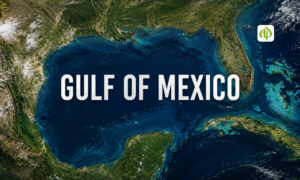
One of the planet’s liveliest seas, the Gulf of Mexico pulses with unmatched variety in plant and animal life. Bordered by the U.S., Mexico, and Cuba, it spreads wide beneath shifting skies. Its waters shape weather far beyond shorelines, influence markets, support countless species. Look closely at its terrain and tides, then the need for careful stewardship becomes clear. Because its creatures weave through intricate chains, local people gain insight into guarding what makes this sea unlike any other.
The Ocean’s Changing Life and Distinct Creatures
Down in these parts, life clings together in salty warmth spread through the Gulf of Mexico. Not just along the shore where sunlight cuts into grassy shallows, but far beneath too – into dark trenches plunging thousands of feet deep – you’ll find separate worlds hosting countless sea creatures. Tiny floating plankton feed an entire chain of ocean eaters, one leading up to market shrimp, another stretching all the way to giant whale sharks. Birds passing through seasons depend on nearby marshes, touching down there like clockwork each year mid-flight across continents. Hidden under waves, slow-growing coral thickets thrive unseen, tough survivors standing tall among the most curious underwater formations ever recorded by scientists diving deep.
Keeping this web of life intact matters not just for nature, yet because oceans worldwide depend on its balance. From deep within the Gulf of Mexico, a swirling loop lifts heated water toward the surface, sending it northward into the Atlantic, shaping climates in places like western parts of Europe. As currents travel, they carry essential nourishment across vast stretches below, feeding rich marine growth seen repeatedly by researchers tracking seasonal shifts. When one area suffers damage – say from pollution or sudden temperature swings – the effects sprint outward like cracks in thin ice, endangering distant creatures barely holding on at their edges.
Economic Engines and Coastal Communities
Beyond its undeniable ecological value, the Gulf of Mexico serves as a monumental driver for regional and international economies. The bustling ports scattered along its northern and southern rims handle millions of tons of cargo annually, connecting local agricultural and manufacturing sectors directly to global markets. Commercial fishing enterprises harvest abundant catches of snapper, grouper, and shellfish, providing a steady source of protein and employment for millions of people. For generations, the maritime industries operating within the Gulf of Mexico have shaped the cultural identity and economic resilience of coastal cities and traditional fishing villages alike.
In tandem with traditional seafood harvesting, the energy sector remains deeply intertwined with the geography of the region. Off-shore drilling platforms and emerging renewable energy projects utilize the natural resources of the Gulf of Mexico to supply a significant portion of continental energy demands. This industrial presence requires a careful, delicate balancing act between economic advancement and environmental stewardship to ensure long-term sustainability. Additionally, tourism brings millions of visitors to the pristine sandy beaches each year, injecting vital revenue into local economies and fostering a widespread public appreciation for the natural beauty of the coastal environment.
Environmental Challenges and Modern Conservation Efforts
Despite its immense size and natural resilience, the Gulf of Mexico faces unprecedented environmental pressures from both human activity and climate change. Coastal erosion continuously alters the shoreline, swallowing protective wetlands that historically shielded inland communities from severe storm surges. Runoff from massive river systems introduces excess nutrients into the marine environment, occasionally creating large hypoxic zones, commonly known as dead zones, where oxygen levels drop too low to support aquatic life. Addressing these complex issues within the Gulf of Mexico demands robust international collaboration, innovative engineering solutions, and a shared commitment to sustainable practices.
Fortunately, modern conservation initiatives are making significant strides in restoring and safeguarding this critical body of water. Scientists, policymakers, and local volunteers are actively working together to rebuild damaged oyster reefs, replant native marsh grasses, and implement stricter regulations on industrial waste. Marine protected areas established throughout the Gulf of Mexico offer safe havens for endangered species, allowing populations to recover and stabilize over time. By investing heavily in cutting-edge marine research and community-led restoration projects, society can help mitigate ongoing threats and foster a healthier, more sustainable future for the entire basin.
Looking Ahead to a Sustainable Horizon
The future of our coastal economies and marine biodiversity remains fundamentally linked to how effectively we protect the natural treasures of the Gulf of Mexico. As global temperatures fluctuate and sea levels rise, adapting our conservation strategies becomes increasingly vital for long-term ecological balance. Education plays a transformative role in this process, inspiring younger generations to view the ocean not merely as a resource to exploit, but as a vulnerable ecosystem requiring continuous care. Through sustained dedication to science-based management, the communities surrounding the Gulf of Mexico can preserve its wonders for centuries to come.
Ultimately, the journey toward comprehensive environmental recovery involves recognizing that human well-being and ecological health are fundamentally inseparable. Every effort made to reduce inland pollution, manage fisheries responsibly, and curb carbon emissions directly benefits the complex marine networks of the Gulf of Mexico. Embracing a holistic approach to ocean stewardship ensures that this majestic marine wilderness will continue to thrive, support diverse economies, and inspire awe in all who visit its shores.